For people living with depression, treatment can feel like walking through fog while searching for a reliable path forward. Tms Depression Treatment offers a noninvasive option for some adults, especially when medication has not provided enough relief. It uses magnetic pulses to influence brain regions involved in mood regulation. No anesthesia is usually required.
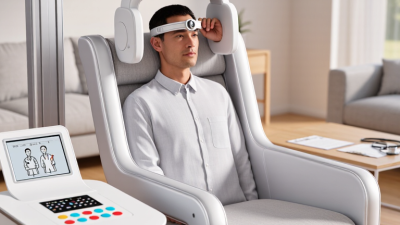
This guide examines seven TMS options expected to matter in 2026. They include standard repetitive TMS, intermittent theta-burst stimulation, bilateral protocols, and approaches supported by neuron-guided targeting. Each option has different treatment schedules, evidence levels, costs, and practical demands. A session may involve sitting in a quiet clinic chair while a device delivers rhythmic tapping sensations near the scalp. The experience is usually manageable, but individual responses vary.
Evidence matters. So does clinical judgment. A qualified psychiatrist or trained TMS clinician should review your diagnosis, medical history, medications, seizure risk, and treatment goals. Reputable providers should explain expected benefits, common side effects, uncertainty, and alternatives before treatment begins. Research continues to develop, and not every promising protocol has equally strong support. That distinction deserves attention.
This overview is educational, not personal medical advice. It does not promise remission. Instead, it offers a careful framework for comparing current choices, asking better questions, and recognizing when a treatment plan needs revision. The best option may not be the newest one. It may be the safest, most evidence-supported fit for a particular person.
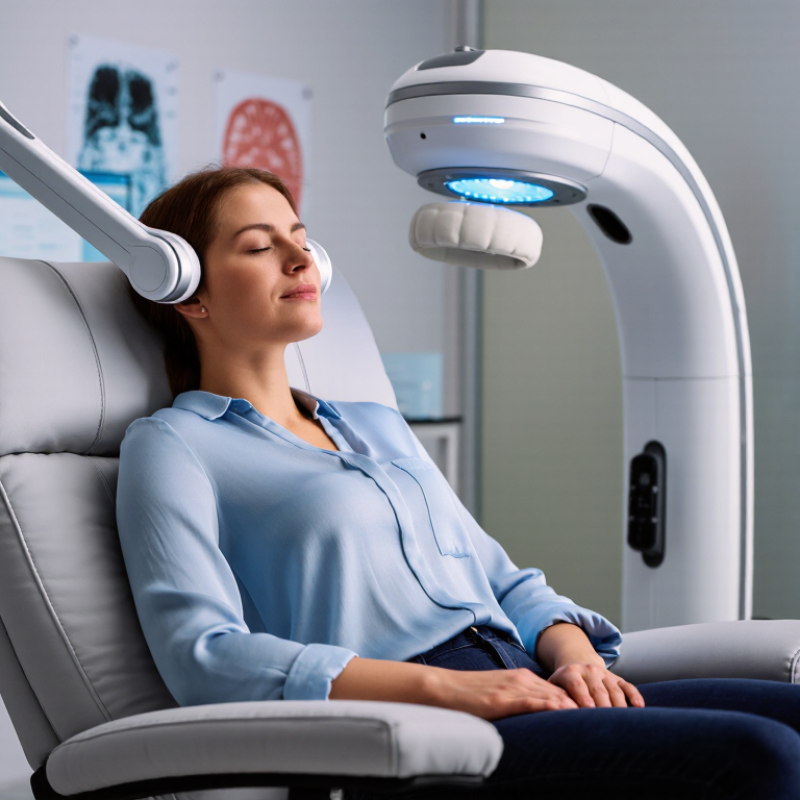
Transcranial magnetic stimulation (TMS) uses focused magnetic pulses to influence brain circuits linked with depression. It is noninvasive and usually delivered while a patient sits awake in a clinic. Common options include standard repetitive TMS, intermittent theta-burst stimulation, and different left- or bilateral treatment patterns. Treatment plans vary by symptoms, medical history, and previous medication response.
Transcranial magnetic stimulation (TMS) uses focused magnetic pulses to influence brain circuits linked with depression.
The evidence is encouraging, but not tidy. A 2023 American Psychiatric Association guideline recognizes TMS as an evidence-based option for adults with major depressive disorder, particularly after inadequate medication response.
Results differ across studies, clinics, and patient groups. Numbers do not predict one person’s outcome.
In 2026, clinicians increasingly view TMS as part of a broader care plan, not a standalone cure. The VA/DoD 2022 depression guideline supports brain-stimulation therapies for selected patients, alongside psychotherapy, medication review, and safety monitoring.
Sessions may involve repetitive tapping, scalp discomfort, or temporary headaches. Serious complications are uncommon when screening and protocols are followed. Treatment also requires time, often several visits weekly for multiple weeks. That practical burden matters.
TMS may be unsuitable during certain medical conditions or with some implanted devices, so a qualified clinician should assess eligibility. Personal experience can guide discussion, but it cannot replace structured evaluation.
In 2026, depression treatment discussions often compare seven TMS approaches: standard high-frequency rTMS, low-frequency rTMS, bilateral rTMS, intermittent theta-burst stimulation, accelerated TMS, deep TMS, and neuronavigated TMS. Each uses magnetic pulses, but treatment speed, brain targets, and session length can differ. Standard high-frequency treatment usually targets the left prefrontal cortex. Low-frequency treatment commonly targets the right side. Bilateral protocols stimulate both regions.
Theta-burst methods may deliver treatment in shorter sessions. Accelerated schedules can involve several sessions in one day, which may help some patients with limited time. Deep TMS aims to influence broader brain networks, while neuronavigation uses imaging or measurements to improve target placement. Evidence continues to develop. No option is automatically best. The comparison is less tidy than many clinic websites suggest.
Tips: Ask how the target is chosen and how outcomes are measured. Confirm the clinician’s training, session schedule, and emergency procedures. Report metal implants, seizure history, medications, and sleep changes before treatment. Keep a simple mood diary, noting energy, headaches, anxiety, and daily function. Improvement may be gradual, and one disappointing week does not always settle the result. Personally, I would also ask what happens if the first protocol fails. That question is often overlooked.
Among the seven leading TMS depression treatment options in 2026, standard rTMS remains widely studied. High-frequency stimulation usually targets the left dorsolateral prefrontal cortex. It aims to increase activity in circuits linked with mood regulation. A typical course may involve five sessions weekly for several weeks. Treatment length varies with symptoms, response, and clinical judgment.
Low-frequency rTMS commonly targets the right dorsolateral prefrontal cortex. Its slower pulses may reduce excessive activity associated with anxiety and emotional distress. Some clinics choose this approach when patients cannot tolerate faster stimulation. Sessions are usually quieter and may feel less intense. Mild scalp discomfort or headaches can still occur.
The difference is useful, but not absolute. Depression is biologically diverse. A qualified clinician should review diagnosis, medications, sleep, bipolar symptoms, seizure history, and implanted metal devices before treatment. Motor-threshold testing helps set a safer, more precise dose. Progress should be measured with symptom scales and honest patient feedback. Some people improve early; others need adjustments or show limited benefit. The evidence is strong, but response is never guaranteed. Even experienced teams must reassess when the expected pattern does not appear.
| Option | Primary Target | Typical Stimulation Parameters | Typical Treatment Schedule | Approximate Pulses per Session | Clinical Position | Potential Advantages | Important Limitations |
|---|---|---|---|---|---|---|---|
| 1. Standard High-Frequency rTMS | Left dorsolateral prefrontal cortex (DLPFC) | 10 Hz; commonly delivered at approximately 120% of resting motor threshold, using repeated 4-second trains with intertrain intervals | Usually 5 sessions per week for approximately 4–6 weeks, followed by reassessment | Approximately 3,000 pulses | Established first-line protocol | Strong clinical experience and substantial evidence for major depressive disorder; commonly used when medication has not provided adequate benefit | Requires frequent clinic visits; treatment response may take several weeks; scalp discomfort and headache can occur |
| 2. Standard Low-Frequency rTMS | Right DLPFC | 1 Hz; commonly delivered at approximately 110–120% of resting motor threshold with continuous low-frequency trains | Usually 5 sessions per week for approximately 4–6 weeks | Approximately 1,200–1,800 pulses | Established alternative protocol | Lower-frequency stimulation may be more comfortable for some patients and generally has a low seizure risk when delivered within safety guidelines | May require a similar number of visits as high-frequency treatment; clinical selection varies by patient and treatment center |
| 3. Bilateral Sequential rTMS | Right DLPFC followed by left DLPFC | Typically 1 Hz on the right side followed by 10 Hz on the left side; exact intensity and train structure vary | Usually 5 sessions per week for approximately 4–6 weeks | Often approximately 4,000–5,000 combined pulses | Evidence-supported alternative | Combines inhibitory right-sided stimulation with excitatory left-sided stimulation; may be considered when a clinician wants bilateral prefrontal treatment | Sessions may be longer; comparative evidence does not consistently show superiority over established unilateral protocols |
| 4. Intermittent Theta-Burst Stimulation (iTBS) | Left DLPFC | Bursts of three pulses at 50 Hz, repeated at 5 Hz; commonly 2-second trains delivered every 10 seconds | Often 5 sessions per week for approximately 4–6 weeks | Typically 600 pulses | Established accelerated-format option | Usually takes about 3–10 minutes of stimulation time, substantially shorter than conventional 10 Hz treatment | May cause temporary discomfort or headache; shorter stimulation time does not eliminate the need for a full course of visits |
| 5. Accelerated iTBS | Usually left DLPFC | Repeated iTBS sessions delivered on the same day, with clinical monitoring and protocol-specific spacing between sessions | Several sessions per day over approximately 1–2 weeks in specialized programs | Often 600 pulses per session; total daily exposure depends on the protocol | Promising but still developing | Can reduce the calendar time required to complete an initial treatment course and may be useful when rapid scheduling is important | Requires careful screening and monitoring; evidence and long-term maintenance data are less mature than for conventional schedules |
| 6. Continuous Theta-Burst Stimulation (cTBS) to the Right DLPFC | Right DLPFC | Continuous bursts of three pulses at 50 Hz, repeated at 5 Hz; commonly 600 pulses in approximately 40 seconds | Schedule varies; may be delivered daily in research or specialized clinical protocols | Typically 600 pulses | Specialized or investigational option | Very brief stimulation time and an inhibitory pattern that may be relevant to right-sided prefrontal treatment models | Less established for routine depression care than standard 10 Hz left-sided rTMS or 1 Hz right-sided rTMS; should be selected by an experienced clinician |
| 7. Low-Frequency Right-DLPFC rTMS with Individualized Targeting | Individually mapped right DLPFC region connected to subgenual or other depression-related networks | Usually 1 Hz or another low-frequency pattern; location may be selected using neuronavigation or structural and functional imaging | Commonly 5 sessions per week for approximately 4–6 weeks, depending on the treatment plan | Often approximately 1,200–1,800 pulses per session | Personalized clinical approach | May improve anatomical consistency compared with scalp-based targeting alone, particularly when individual brain structure is considered | Access, cost, and availability of neuronavigation or imaging may be limiting; individualized targeting has not replaced standard clinical protocols |
For 2026, TMS selection is becoming more individualized. Theta burst stimulation delivers rapid magnetic pulses in short sessions. Intermittent theta burst often targets left prefrontal networks linked with depression. It may reduce clinic time, which matters when fatigue or work schedules limit attendance. Evidence supports its use, but response still varies widely. Results differ. A trained clinician should review diagnosis, medications, bipolar symptoms, seizure risk, and treatment goals. Clinicians also screen for implanted metal or electronic devices. A shorter session is not automatically a better treatment.
Deep TMS reaches broader or deeper neural circuits with specialized coil shapes. It may suit people who need a different targeting strategy after limited response. Patients may notice scalp pressure, facial muscle movement, or a tapping sound. Most discomfort is manageable, but honest reporting helps the team adjust intensity safely. Treatment plans commonly involve repeated sessions across several weeks. In real clinics, missed appointments can weaken momentum. That practical problem deserves as much attention as the device.
Bilateral stimulation approaches alternate or combine left and right prefrontal targets. Some protocols emphasize left-sided excitation and right-sided inhibition. Others use bilateral patterns. The best choice depends on symptoms, prior response, motor threshold, and clinician judgment. Research is promising, yet head-to-head evidence remains incomplete. I would not treat a “best” list as a prescription. Ask how outcomes are measured, when reassessment occurs, and what happens if improvement stalls. Not every patient responds. Depression can improve unevenly.
A neat list of seven “best” TMS options sounds useful, but treatment selection is rarely that simple. Symptoms, medical history, safety risks, and access can change the decision.
Standard high-frequency stimulation may suit people with persistent low mood, reduced motivation, and suicidal thoughts requiring close clinical monitoring. Intermittent theta burst stimulation uses shorter sessions and may help patients who cannot attend lengthy appointments.
Low-frequency right-sided treatment is sometimes considered when anxiety or agitation is prominent, although individual responses vary. Deep stimulation approaches may be discussed for complex or treatment-resistant depression, but evidence and availability differ by region.
Symptoms do not tell the whole story. Screening should include bipolar symptoms, seizure history, medications, implanted metal, and previous head injuries. Common effects include scalp discomfort and headaches. Rare risks require careful discussion.
Access matters too. Ask how many sessions are needed, who supervises treatment, and what happens if symptoms worsen. Accelerated schedules may reduce travel, yet they are not suitable for everyone. Insurance approval can also shape the realistic choice. In practice, the most advanced option may be impossible to reach. That is an uncomfortable limitation.
A qualified clinician should compare evidence, expected benefits, risks, cost, and travel demands. Shared decisions are usually more reliable than ranking treatments by technology alone. Expect adjustments. A protocol that seems ideal on paper may need changing after real symptoms and side effects appear.