What is an Autoclave Vessel and How Does it Work?
An Autoclave Vessel is a crucial tool widely used in various industries. It plays a vital role in sterilization, thanks to its ability to create high-pressure steam. The design and function of an Autoclave Vessel ensure the elimination of harmful microorganisms. This process is fundamental in healthcare, research, and manufacturing sectors.
In simple terms, the Autoclave Vessel operates by combining heat and pressure. It utilizes steam at high temperatures to kill bacteria and spores. This method is not just effective but also efficient. However, not every operation runs smoothly. Occasionally, factors like improper loading or equipment malfunction can compromise sterilization.
Understanding the Autoclave Vessel's mechanisms is essential for safe use. Users should reflect on the importance of following guidelines. Moreover, recognizing the potential pitfalls in operation is crucial. This knowledge helps in achieving desired outcomes and maintaining safety standards.
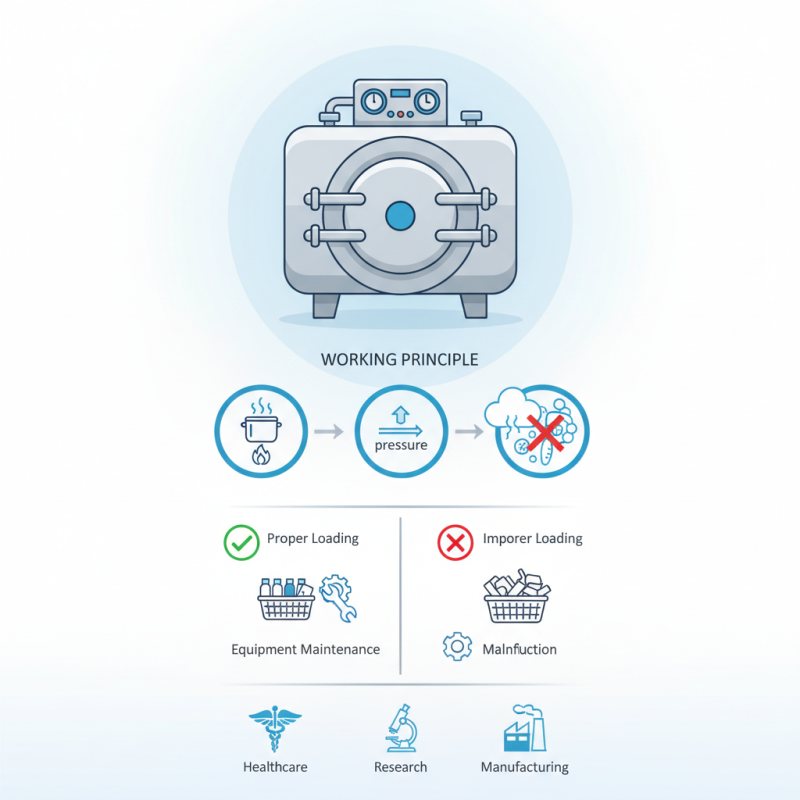
Definition and Purpose of an Autoclave Vessel
An autoclave vessel is a specialized pressure chamber. It is primarily used for sterilization. The main purpose is to eliminate microbes, spores, and other contaminants. This is crucial in healthcare and laboratory settings. The autoclave employs steam under pressure. This steam creates a high-temperature environment. Temperatures can reach up to 121 degrees Celsius or higher.
When items are placed inside, the autoclave seals tightly. As the temperature rises, water vapor replaces air. This process ensures thorough penetration of steam. The high pressure allows the steam to reach higher temperatures. Therefore, it effectively kills harmful organisms. This method is more reliable than boiling. It reduces the risk of equipment contamination.
While its benefits are clear, challenges exist. Ensuring proper loading is essential. Items must not be packed too tightly. Otherwise, steam cannot circulate freely. This can lead to ineffective sterilization. Operators must also be trained to use the autoclave properly. Misuse can result in accidents or equipment damage. Awareness and proper procedures are key to safe operation.
Components of an Autoclave Vessel
An autoclave vessel is essential in various fields, especially in sterilization and material processing. Its components work together to create a controlled environment. The main body is a strong, cylindrical chamber, usually made of thick stainless steel. This material withstands high pressure and temperature. The door sealing system is another crucial component. It ensures a tight closure during operation, preventing any leaks.
Inside the autoclave, you will find heating elements. They rapidly raise the temperature inside the chamber. This helps in effectively sterilizing medical equipment or materials. Pressure regulators maintain the necessary pressure levels. A pressure gauge provides real-time monitoring. Another vital part is the control panel. It allows users to set specific cycles tailored to their needs.
However, these systems are not infallible. Maintaining and regularly inspecting components is necessary. A faulty seal can lead to dangerous pressure drops. Similarly, malfunctioning temperature sensors can compromise results. Proper training is essential for operators. Without this, mistakes can occur, leading to ineffective sterilization. While the autoclave vessel is a remarkable tool, it's crucial to be mindful of its imperfections.
Working Principle of an Autoclave
An autoclave vessel is a crucial tool in various industries, particularly in sterilization and material processing. Its working principle revolves around the ability to create a controlled environment using high temperature and pressure. Inside the autoclave, steam is generated and trapped, reaching temperatures of 121°C or higher. This extreme environment ensures the elimination of bacteria, spores, and other pathogens effectively.
Data from recent industry reports indicate that the global autoclave market is projected to grow by 6.5% annually, emphasizing its increasing importance in healthcare and research. The effectiveness of sterilization hinges on several factors, including time, temperature, and pressure. Even slight deviations can compromise results. It's essential to adhere to precise guidelines to ensure that items are adequately sterilized.
Tip: Regularly validate your autoclave. It’s crucial for maintaining accuracy and reliability. Also, keep an eye on the pressure gauge—monitoring it is vital for successful sterilization.
In manufacturing processes, autoclaves cure composite materials. The combination of heat and pressure enhances material properties. However, controlling these parameters can be tricky. Variations in time or temperature can lead to under-cured or over-cured materials. Such inconsistencies can cause significant waste and financial loss.
Tip: Consider conducting routine calibrations to avoid operational hurdles. Small adjustments can lead to more predictable outcomes.
Applications of Autoclave Vessels in Various Industries
Autoclave vessels are essential in many industries. They use high-pressure steam to sterilize equipment and materials. This technique is crucial in healthcare. It ensures that surgical tools are free from harmful microorganisms.
In the food industry, autoclaves are used for canning and preservation. They help eliminate bacteria from food products. This process extends shelf life and guarantees food safety. The textile industry also benefits from autoclaves. They are used to set dyes and ensure fabric durability. This application highlights the versatility of autoclave technology.
Tips: Always verify the settings on an autoclave before use. Improper calibrations can lead to ineffective sterilization. Regular maintenance is vital. A neglected autoclave can compromise safety standards.
Another key area is the pharmaceutical sector. Autoclaves sterilize equipment for drug production. They play a role in creating safe environments for manufacturing. However, it's crucial to understand that not all materials can withstand the autoclave process. Some plastics may warp, while certain metals can corrode. Always consult material guidelines to avoid mistakes and ensure successful sterilization.
Applications of Autoclave Vessels in Various Industries
Maintenance and Safety Considerations for Autoclaves
Autoclaves are essential in various industries, from healthcare to research. They sterilize equipment and materials using high-pressure steam. However, proper maintenance and safety are crucial for optimal operation. Neglecting these aspects can lead to serious accidents or equipment failures.
Regular maintenance includes routine inspections and calibrations. The Centers for Disease Control and Prevention (CDC) suggests checking seals and door locks frequently. A small malfunction can lead to incomplete sterilization. Therefore, scheduling maintenance checks at least once every six months is advisable.
Tips:
- Always document maintenance activities. This helps track any recurring issues.
- Ensure safety valves are functioning correctly. Faulty valves can cause pressure build-up.
Training staff on autoclave use is vital. Misuse can result in injuries or equipment damage. The Occupational Safety and Health Administration (OSHA) emphasizes proper training to minimize risks in the workplace. Make sure to review safety protocols regularly.
Tips:
- Conduct mock drills to prepare staff for emergencies.
- Keep a first aid kit nearby. This ensures quick response in case of accidents.
Autoclave safety also involves understanding the pressure and temperature settings. These parameters must be accurate. If they are not, the sterilization process can fail. Regularly reviewing these settings is a necessary practice.
What is an Autoclave Vessel and How Does it Work? - Maintenance and Safety Considerations for Autoclaves
| Aspect | Details |
| Definition | An autoclave vessel is a strong, pressure-resistant container used to sterilize equipment and materials by exposing them to high-pressure steam at elevated temperatures. |
| Working Principle | The autoclave operates by heating water to create steam, which is then injected into the sealed chamber, raising the pressure and temperature to destroy harmful microorganisms. |
| Common Applications | Medical instrument sterilization, laboratory sample preparation, and industrial applications like material testing. |
| Maintenance Considerations | Regularly check seals, valves, and gauges; perform routine cleaning and descaling; ensure proper calibration of temperature and pressure sensors. |
| Safety Considerations | Always follow operational guidelines; wear protective gear; conduct routine safety inspections to prevent overpressure and ensure safe venting of steam. |