Top 10 Benefits of AC DC Power Supply for Your Devices?
The importance of a reliable power source cannot be overstated in today's digital age. An AC/DC Power Supply is essential for various devices. According to a recent industry report, the global AC/DC power supply market is expected to surpass $25 billion by 2025. This growth underscores the increasing reliance on electronic devices across multiple sectors.
In recent years, devices have become more power-hungry, necessitating efficient power solutions. AC/DC power supplies convert alternating current to direct current, ensuring smooth device operation. Their versatility allows for various applications, from consumer electronics to industrial machinery. Yet, challenges remain. Not all power supplies are created equal, and inefficiencies can lead to increased operational costs. Users need to consider specifications carefully to avoid pitfalls.
In exploring the benefits of AC/DC power supplies, we uncover how they enhance device performance and longevity. Their ability to maintain consistent voltage levels is critical for sensitive components. However, users must remain vigilant about choosing the right model. Ultimately, understanding the nuances of AC/DC power supplies empowers users to make informed decisions.
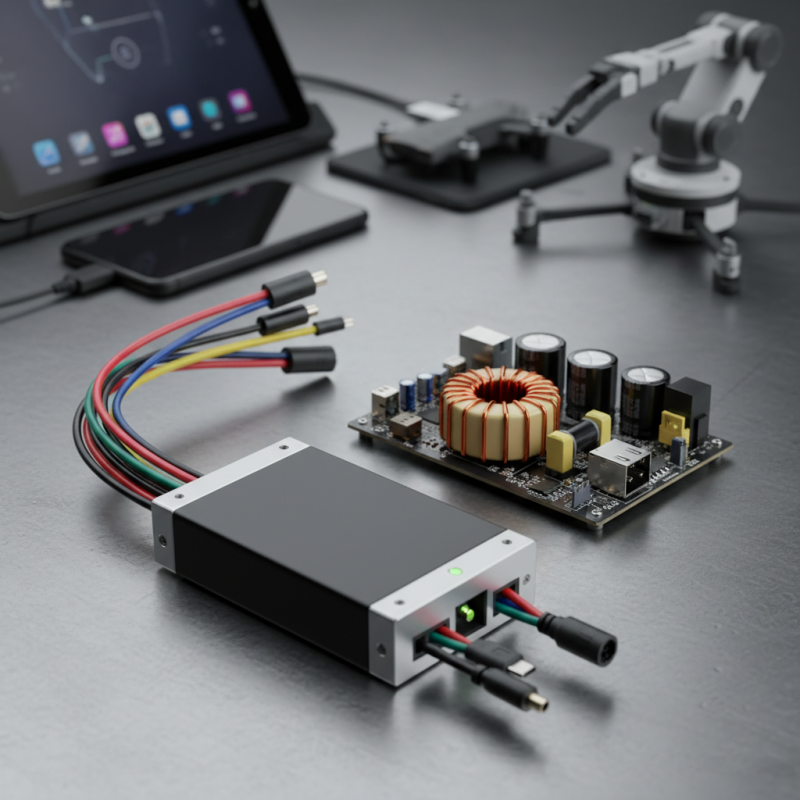
Understanding AC and DC Power Supplies
Understanding AC and DC power supplies is essential for effectively powering electronic devices. AC, or alternating current, changes direction periodically. This type of power is often used in homes and offices. In contrast, DC, or direct current, flows in one direction. It is commonly found in batteries and smaller electronic devices. According to the International Electrotechnical Commission, more than 80% of the world's electricity supply is AC.
The advantages of AC include easy transmission over long distances. High voltage levels reduce energy losses. However, it can be less efficient for smaller devices. DC is more efficient for such applications. A report from the Electric Power Research Institute states that DC power can improve energy efficiency by up to 20% in specific systems. This efficiency is crucial in renewable energy sources, like solar.
Both AC and DC have their downsides. AC can cause interference in sensitive electronic devices. They may not perform well in all applications. DC, while efficient, can be harder to convert to higher voltages. This challenge limits its use in long-distance transmission. Understanding these factors helps optimize device performance and energy use.
Top 10 Benefits of AC DC Power Supply for Your Devices
| Benefit | Description | Device Compatibility |
| Versatility | Can power a wide range of devices from home appliances to industrial machinery. | Home, Commercial, Industrial |
| Efficiency | AC DC power supplies can maximize energy use, reducing waste. | Consumer Electronics, Gadgets |
| Cost-Effective | Lower operational costs due to high efficiency and reduced maintenance. | Small Devices, Mid-Range Applications |
| Compact Design | Smaller form factor compared to traditional power supplies. | Portables, Laptops |
| Stable Output | Provides a consistent and stable output voltage for sensitive devices. | Computers, Medical Devices |
| Global Compatibility | Can operate on various voltage standards worldwide. | International Appliances |
| Safety Features | In-built safety mechanisms to prevent short circuits and overloads. | Home & Office Equipment |
| Easy Integration | Simple to integrate into existing systems with minimal adjustments. | Retrofit Applications |
| Environmental Benefits | Lower emissions and energy usage support sustainability goals. | Green Technologies |
| Enhanced Performance | Improves the performance of electronic devices by supplying clean power. | High-Performance Electronics |
Comparative Efficiency of AC vs. DC Power Supply
The efficiency of AC and DC power supplies significantly impacts device performance. AC power systems typically lose energy due to resistance and heat, with inefficiencies ranging up to 30% in some cases. Meanwhile, DC power supplies tend to have less energy loss, especially over short distances. A report by Energy Information Administration highlights that DC power can lead to nearly 20% improved efficiency in certain applications.
When evaluating systems, the choice between AC and DC can be critical. For instance, LED lighting and many electronic devices often operate better on DC. Studies show that devices powered by DC can consume up to 25% less energy compared to their AC counterparts. This makes DC particularly appealing for renewable energy sources, such as solar panels, which generate DC power directly.
However, AC systems still dominate in transmission due to their ease of voltage transformation and long-distance distribution capabilities. A large segment of industries relies on AC for this reason. Many existing infrastructures are built around AC, making conversion to DC a complex task. Therefore, deciding between AC and DC must consider efficiency, cost-effectiveness, and infrastructure readiness. The balance is not always clear-cut.
Top 10 Benefits of AC vs. DC Power Supply
Versatility of AC DC Power Supplies for Different Devices
AC DC power supplies are a cornerstone of modern technology. They offer adaptability for various devices, from home appliances to industrial equipment. This versatility is essential in today’s diverse electronic landscape. A single power supply can adjust to the needs of multiple devices. It can power laptops, LED lights, and medical equipment, creating a unified charging solution.
Different devices have specific voltage and current requirements. AC DC power supplies meet those needs without complex setups. For example, chargers for smartphones often need lower voltages compared to power tools. This means users can have one reliable source for a range of devices. However, not all power supplies are created equal. Some may lack the stability required, leading to performance issues. Users should reflect on their choices and ensure their selected power supply meets the specific needs of their devices.
Additionally, the compact design of these power supplies makes them easy to incorporate into various environments. They can reduce clutter on workspaces and in homes. However, there is a risk of overheating if used improperly. This potential flaw highlights the need for careful monitoring and maintenance. Overall, the versatility of AC DC power supplies shines, but users must remain vigilant in their usage.
Impact on Device Longevity and Performance
AC and DC power supplies play a vital role in the longevity and performance of electronic devices. Research shows that devices powered by stable AC or DC can last up to 25% longer than those using poorly regulated power. This stability reduces wear on internal components, leading to fewer failures.
Heat management is also crucial. Devices running on optimized power supplies generally operate at lower temperatures. High temperatures can shorten electronic life spans. Data indicates that for every 10°C increase in temperature, the failure rate of electronic components can double. Achieving proper voltage levels through quality power supplies may mitigate this risk significantly.
Moreover, efficient power supplies can enhance device functionality. Devices with consistent input power often run smoother and execute tasks faster. A study found that a 10% increase in efficiency can improve performance metrics significantly. While the technology is advanced, not all devices benefit equally. Some might still face issues like power surges, proving that not every solution is perfect. Evaluating your equipment's power needs is essential for optimal performance.
Cost-Effectiveness of AC/DC Power Supply Solutions
Many devices today rely on AC/DC Power Supply solutions, which offer a blend of efficiency and cost-effectiveness. These power supplies can convert alternating current (AC) to direct current (DC) efficiently. This is crucial for devices that require stable voltage and current for optimal functionality. By reducing energy waste, they lead to lower electricity bills over time.
Moreover, the initial cost of AC/DC power supplies might seem high. However, when looking at long-term savings, it often pays off. Fewer electrical components mean lower maintenance costs. This can lead to prolonged device life, making it a sound investment. Yet, it's important to be cautious. Sometimes, cheaper options can lead to inefficiencies that might negate these savings. Regular checks are essential to ensure optimal performance.
When considering AC/DC power supplies, reflect on your specific needs. Some setups may require more complex solutions that could be costlier upfront. Take the time to analyze your energy requirements carefully. This thoughtful approach can prevent future expenditures. Balancing initial costs with long-term benefits is key to making informed choices in power supply solutions.