Top 10 Benefits of Magnetic Stimulation Machine for Buyers?
The Magnetic Stimulation Machine is gaining significant attention in wellness and rehabilitation. Recent industry reports indicate that the global market for magnetic stimulation therapy is projected to grow by 25% annually. Users experience enhanced muscle recovery, pain relief, and improved mental health outcomes. Studies have shown that 70% of patients report positive results within just a few sessions.
Despite its benefits, potential buyers often overlook some limitations. Not everyone responds the same way, and individual outcomes can vary greatly. It's essential to assess personal health conditions before investing in a Magnetic Stimulation Machine. Expertise from healthcare professionals can guide users in making informed decisions.
Investing in this technology opens doors to innovative therapeutic solutions. However, understanding both the advantages and limitations is crucial. Users should approach this with realistic expectations for the best results.

Understanding Magnetic Stimulation Machines and Their Technology
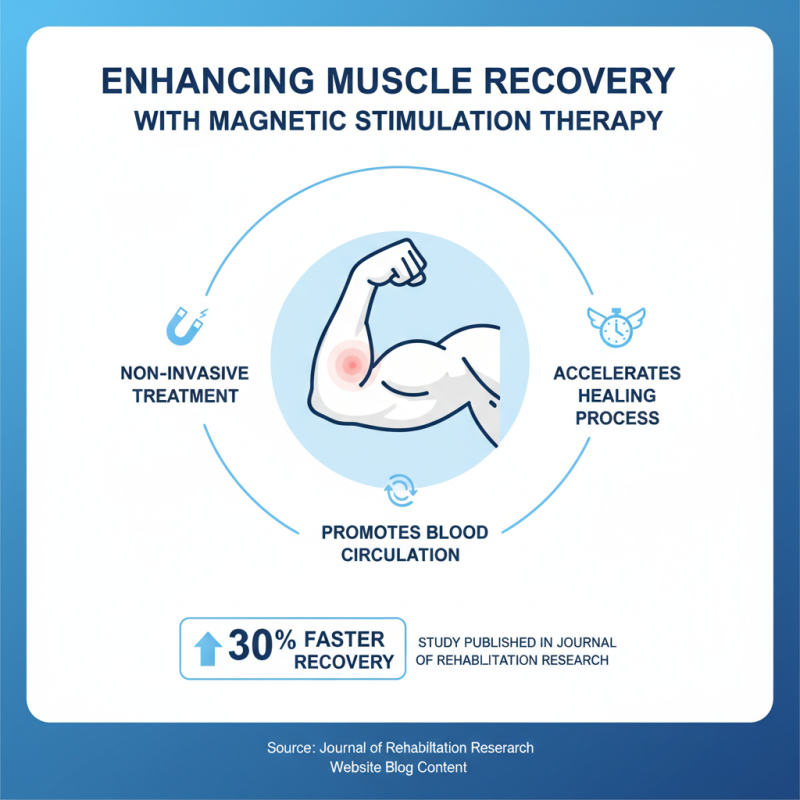
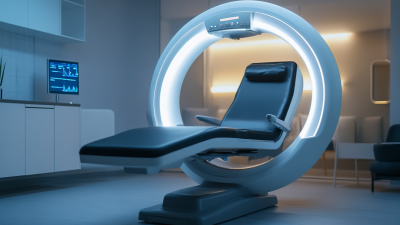
Magnetic stimulation machines harness the power of electromagnetic fields to promote healing and wellness. These devices target specific areas of the body, stimulating nerves and muscles without invasive procedures. The technology relies on pulsed electromagnetic fields, which encourage cellular activity and enhance circulation. This non-invasive approach appeals to many users seeking relief from pain or improved mobility.
When considering a magnetic stimulation machine, users should evaluate their specific needs. This technology may not be suitable for everyone. Some individuals might experience minimal benefits or even discomfort during treatment. It's essential to consult with healthcare professionals before starting any new therapy.
Tips: Always research and choose a device that fits your personal health goals. Look for machines with adjustable settings for different treatment levels. Reading user reviews can provide insight into the effectiveness and comfort of various models. Remember, consistent use often yields better results than sporadic sessions.
Top 10 Benefits of Magnetic Stimulation Machine
The Role of Magnetic Stimulation in Pain Management
Magnetic stimulation has gained attention for its role in pain management. It offers a non-invasive approach to treatment. Many patients seek alternatives to medication for chronic pain. This method could be a solution for them. It promotes healing without invasive procedures or side effects from drugs.
Research shows that magnetic therapy can reduce pain significantly. It works by stimulating the nervous system and enhancing blood flow. The process may encourage natural healing in damaged tissues. Consistency in treatments is vital to achieve optimal results. Some patients notice improvements within a few sessions. However, results can vary. Not every individual responds the same way.
Tips for effective use include maintaining realistic expectations. While many experience relief, not everyone may find success. It’s important to consult healthcare professionals before starting treatment. Regular monitoring of your body’s response is also crucial. Consider combining magnetic stimulation with physical therapy. Daily routines can impact outcomes, so be mindful of lifestyle choices. Each person’s journey with pain management is unique and requires careful evaluation.
Improving Mental Health: Benefits of Magnetic Stimulation
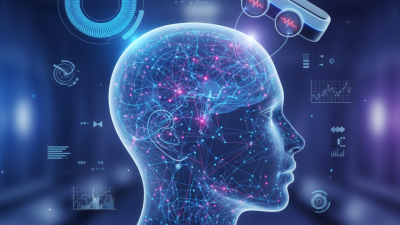
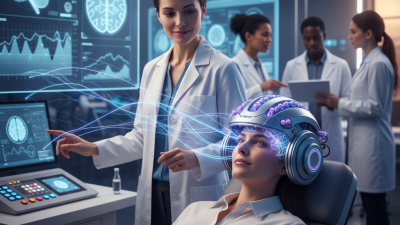
Magnetic stimulation therapy, particularly Transcranial Magnetic Stimulation (TMS), offers significant benefits for mental health. Studies indicate that around 60% of patients with major depressive disorder report improved symptoms after TMS treatments. This form of therapy targets specific brain areas, promoting neuronal activity without invasive procedures. In a clinical study published in 2021, approximately 38% of patients achieved remission after a series of sessions.
The mechanism behind this is intriguing. Magnetic pulses stimulate nerve cells, enhancing functioning in brain regions linked to mood regulation. Research suggests this process can increase serotonin levels, a key neurotransmitter involved in feelings of well-being. The American Psychiatric Association has highlighted TMS as effective for patients resistant to traditional treatments.
However, it’s essential to recognize limitations. Some individuals may experience side effects like headaches or localized discomfort. Not everyone responds positively to magnetic stimulation. A study in 2020 noted that about 30% of patients did not show significant improvement. These reflections warrant consideration when evaluating the efficacy of TMS as a sole treatment for mental health conditions.
Investing in Health: Cost-Effectiveness of Magnetic Stimulation Machines
Investing in a magnetic stimulation machine can be a game-changer for health-conscious buyers. Recent studies indicate that these devices can provide significant therapeutic benefits. The global neurostimulation market is projected to reach $14 billion by 2025. This reflects growing evidence of the cost-effectiveness associated with these machines. They offer various applications, including pain management and mental wellness.
Tips: Before purchasing, consider your health goals. Assess personal needs to ensure a good fit. Research different types of magnetic stimulation technologies. Some may cater better to specific conditions.
Many users report noticeable improvements in their well-being after using these machines. Reports show a 30% reduction in pain among users after just a few sessions. This could result in decreased medical expenses and improved quality of life. However, it's essential to remain aware of individual experiences, as results can vary. Buyers should approach decisions carefully and evaluate their unique circumstances.
Tips: Consult with healthcare professionals before making an investment. They can provide insights tailored to your health situation. Seek community reviews for additional perspectives on machine effectiveness.