Why Choose Nail Intramedullari for Bone Fracture Treatment?
In recent years, the use of nail intramedullari has gained popularity for bone fracture treatment. This technique involves inserting a long metal rod into the marrow cavity. It is designed to stabilize fractured bones and facilitate healing. Many orthopedic surgeons advocate for this method due to its effectiveness and minimally invasive nature.
Moreover, Nail Intramedullari offers numerous advantages compared to traditional fixation methods. It reduces the risk of infection and promotes faster recovery. Patients experience less pain and have shorter hospital stays. However, it is essential to consider the potential complications. Not all fractures respond well to this technique.
The decision to use Nail Intramedullari must be thoroughly evaluated. Each patient's unique circumstances play a significant role. Surgeons must weigh the benefits against possible drawbacks. This reflection is crucial for optimizing treatment outcomes.
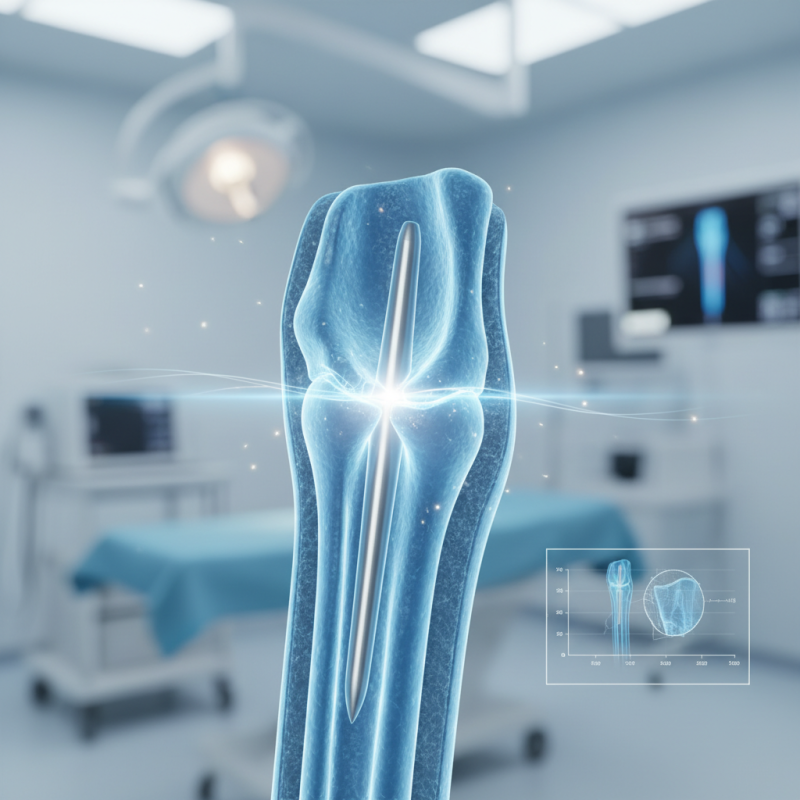
Advantages of Nail Intramedullari in Bone Fracture Management
Nail intramedullari has gained popularity in bone fracture management. This technique aligns broken bones effectively. In many cases, it reduces the need for lengthy recovery times. Patients often return to normal activities sooner than with traditional methods.
One significant advantage is the minimal invasiveness of this procedure. Unlike open surgeries, it requires smaller incisions. This leads to less soft tissue damage. Patients often experience reduced pain and quicker healing. However, the technique is not without risks. There can be complications such as infection or incorrect placement of the nail. Each case requires careful evaluation by a surgeon.
Another benefit is its ability to stabilize complex fractures. For instance, in cases of long bone fractures, it offers superior support. Surgeons can use this method to treat various fracture types. Though, perfect results aren’t guaranteed. Patients should be informed about possible outcomes beforehand. This ensures they have realistic expectations during recovery.
Comparative Effectiveness of Intramedullary Nails versus Other Methods
Intramedullary nails have gained popularity for treating bone fractures, especially in long bones. This method involves inserting a metal rod into the bone's medullary cavity. It provides stability and promotes better healing. However, not all cases are suitable for this technique, and alternative methods exist.
When comparing intramedullary nails to plates or external fixation, we see differing outcomes. Nails often lead to quicker recovery times. Patients tend to experience less pain post-surgery. However, some patients may face complications like infection or non-union of the bone. In certain severe fractures, plates may offer a better solution. They allow for more precise alignment.
It is crucial to evaluate each case individually. Factors like age, fracture location, and patient activity level play a role. Some surgeons may prefer traditional methods due to their familiarity. Others advocate for intramedullary nails for their advantages. Balancing these options requires careful consideration and collaboration. Finding the right solution is not always straightforward.
The Procedure: How Nail Intramedullari is Implemented in Fracture Care
Nail intramedullari is a popular choice for treating bone fractures. This procedure involves inserting a rod into the center of the bone. A proper alignment of the fracture is crucial for healing. With this technique, the rod provides internal support. It helps stabilize the fracture, enabling quicker recovery.
The implementation of the nail intramedullari begins with imaging studies. X-rays or CT scans determine the fracture’s severity. The surgeon may use a small incision to insert the nail. Precision is critical during this step. Any misalignment could lead to complications later. The nail is usually secured with screws at both ends. This fixation ensures the bone remains stable during healing.
Post-surgery care cannot be overlooked. Physical therapy plays a vital role in recovery. Patients often feel restless or anxious during this phase. They must learn to regain strength and mobility. It is essential for optimal healing. Some patients may experience discomfort, which requires careful management. Overall, while nail intramedullari is effective, it demands attention at every stage. Proper adherence to recovery protocols is necessary for the best outcomes.
Why Choose Nail Intramedullari for Bone Fracture Treatment?
| Parameter | Description | Benefits |
| Procedure Type | Nail Intramedullari | Minimally invasive technique |
| Recovery Time | Approximately 6-12 weeks | Faster recovery compared to traditional methods |
| Pain Management | Use of analgesics | Reduced postoperative pain |
| Weight Bearing | Partial weight bearing allowed | Improves mobility early |
| Complications | Low risk of infection | Fewer complications than open surgery |
Postoperative Care and Rehabilitation for Intramedullary Nail Patients
Postoperative care is crucial for patients with intramedullary nails after bone fracture treatment. Proper rehabilitation can significantly enhance recovery outcomes. Studies show that early mobilization enhances circulation and reduces stiffness. However, many patients hesitate to begin rehabilitation too soon. They worry about pain or reinjury, which can lead to extended recovery times.
Physical therapy should ideally start within the first week after surgery. Gentle range-of-motion exercises can promote healing. A report by the Journal of Orthopaedic Research reveals that patients who engage in early rehabilitation have a 25% faster recovery rate. It’s important to find the right balance between rest and activity. Overdoing it can cause setbacks.
Patients often struggle with adhering to rehabilitation protocols. Consistency is key to success. A study notes that only 60% of patients follow their planned rehabilitation fully. Ignoring advice can prolong pain and delay recovery. Support from healthcare providers is essential. Regular follow-ups can help patients stay motivated and address concerns directly. Education about the rehabilitation process can empower patients, leading to better engagement in their recovery journey.
Potential Risks and Complications Associated with Intramedullary Nails
Intramedullary nails have become a common choice for bone fracture treatment. They offer stability and alignment for the healing process. However, these devices are not without risks. A study published in the Journal of Orthopaedic Trauma found that complications occur in about 15% of cases involving intramedullary nails.
Infections represent a significant risk. The rate of surgical site infections can reach 10% in some reports. Deep infections result in prolonging treatment time and may require additional surgeries. Moreover, malunion is another concern. Inaccurate nail placement can lead to improper bone healing, complicating recovery.
Patient factors also play a role. In individuals with diabetes or compromised immune systems, the risk of complications increases. Data shows that patients with pre-existing conditions face up to a 50% higher chance of post-operative issues. Proper patient selection and monitoring are essential for minimizing these risks. It’s critical to discuss potential complications with patients before surgery.