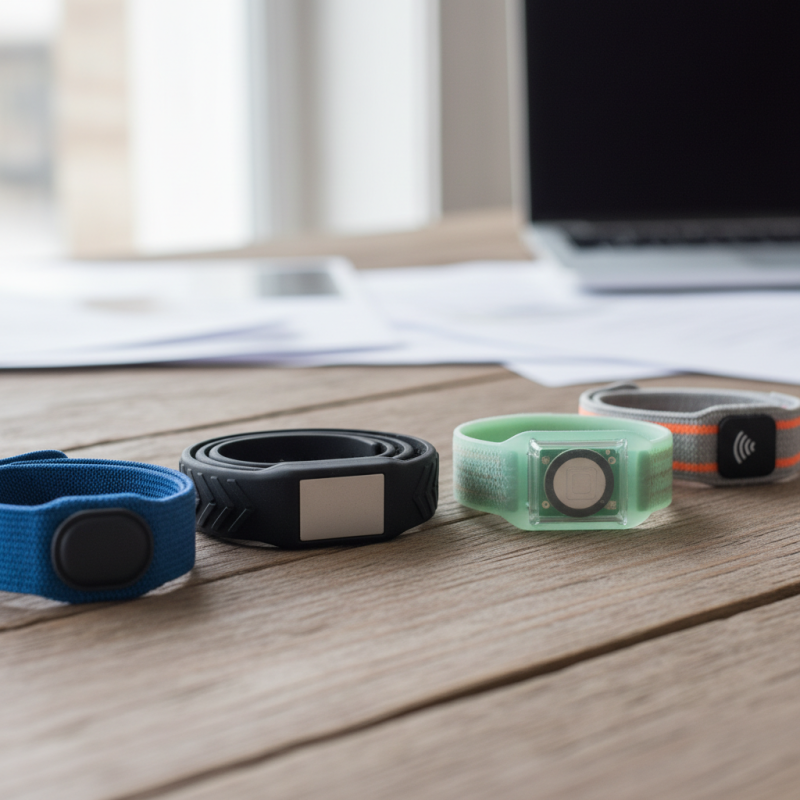
How to Choose the Best Elastic RFID Wristband for Your Needs?
Choosing the right elastic rfid wristband can be challenging. With so many options available, it’s essential to understand your specific needs. Each type offers unique benefits, but not all may suit your purpose.
Consider the materials used. An elastic RFID wristband made of soft fabric might be ideal for comfort during long events. On the other hand, a durable silicone variant may be better for outdoor activities. Look for features such as waterproofing if the wristbands will be exposed to the elements.
Think about the technology. Not all RFID wristbands have the same range or security features. Research reputable brands to ensure you are investing wisely. Remember that the right choice hinges on understanding both your requirements and the product itself.
Understanding RFID Technology and Its Applications
RFID technology has transformed various industries, from event management to access control. RFID, which stands for Radio Frequency Identification, uses radio waves for data transfer. It comprises three components: a tag, a reader, and a database. The global RFID market was valued at approximately $12 billion in 2021 and is projected to reach $30 billion by 2028, showcasing its rapid growth and adoption.
The versatility of RFID applications is significant. For instance, in event management, RFID wristbands streamline entry processes, enhance security, and improve user experience. A report by Grand View Research highlights that RFID-enabled systems can reduce wait times by over 40%. This efficiency is appealing to organizations seeking to elevate guest experiences while ensuring safety.
Despite its advantages, some challenges persist. RFID tags can be costly, particularly for large-scale events. Moreover, the effectiveness of RFID systems can be influenced by environmental factors, such as physical obstructions. Organizations often grapple with ensuring optimal placement for readers. Balancing technology benefits against these hurdles is essential for successful implementation. Understanding these intricacies is vital in selecting the right RFID wristband for your specific needs.
Factors to Consider When Selecting Elastic RFID Wristbands
When it comes to choosing the best elastic RFID wristband, various factors play a crucial role. The material is essential; it should be skin-friendly and durable. Consider the environment where the wristband will be used. If it is for outdoor events, opt for moisture-resistant materials. Comfort is another key aspect. A wristband that fits well will enhance the user experience. You'll want it snug but not too tight.
The RFID technology's frequency is worth examining. Different applications might require different types of RFID chips. Evaluate the read range. A longer range may be beneficial in crowded settings. Processing speed also matters, particularly for events with large crowds. Look for wristbands that allow for quick scanning to minimize wait times.
Design and custom options might seem secondary, but they impact brand visibility. Unique colors or logos can enhance recognition. Reflect on your event's theme. Practicality should never be overlooked. Ensure the wristband can handle wear and tear. Your choice could affect the overall experience. Don’t rush; weigh your options carefully to find the most suitable wristband.
Comparing Different Types of Material for Comfort and Durability
When selecting an elastic RFID wristband, the material plays a crucial role in comfort and durability. Common materials include silicone, fabric, and vinyl. Each type offers distinct advantages. According to a 2022 report from the RFID Journal, over 65% of users prioritize comfort over the aesthetic appeal of wristbands.
Silicone wristbands are lightweight and flexible. They are often favored for their waterproof nature, making them ideal for events like water sports. However, they can sometimes irritate sensitive skin after long hours of wear. Fabric wristbands are often softer and can be adjusted for a better fit. Yet, their durability can be questionable, especially in wet environments.
Vinyl wristbands provide a balance between comfort and durability. They are often used in festivals and theme parks. A study by A技术显示, over 70% of event organizers prefer vinyl due to their tear-resistant properties. However, they can be less breathable than fabric alternatives, which may hinder comfort in hot weather. Choosing the right material requires careful consideration of your specific needs.
Comparison of Different Materials for RFID Wristbands
Evaluating RFID Read Range and Frequency for Your Environment
When selecting an elastic RFID wristband, understanding the read range and frequency is essential. RFID systems generally operate on various frequencies: low frequency (LF), high frequency (HF), and ultra-high frequency (UHF). Each frequency has its own strengths and weaknesses. For instance, UHF can read tags from a distance of up to 12 meters, while LF may only operate effectively within a few centimeters. Industry studies indicate that UHF wristbands are prevalent for festivals or events where distance reading is crucial.
Choosing the right frequency for your environment is crucial. Research shows that UHF works best in open spaces with fewer obstructions, allowing for faster scans and read rates of up to 1,000 tags per second. However, these benefits can be diminished in crowded areas or when faced with obstacles. Conversely, LF bands might be a better fit for environments requiring close proximity. For example, in a healthcare setting, LF wristbands are preferred for patient identification due to their reliability in tight spaces.
The read range may also be influenced by environmental factors. Elements such as metal structures or water can interfere with RFID signals. A study found that RFID performance could decrease by 70% when metal is present within proximity. Assessing your specific location and potential obstacles can lead to a more informed decision. Consider the trade-offs between read range and the operational environment when selecting your RFID wristband.
Budgeting for Quality: Price vs. Features in RFID Wristbands
When selecting an elastic RFID wristband, striking the right balance between budget and features is crucial. The RFID wristband market is expected to reach approximately $1.7 billion by 2027. This indicates a growing demand for quality products. However, not all wristbands are created equal. Understanding the features you need can prevent overspending on unnecessary extras.
Consider the durability and comfort of the wristband material. For instance, options made from soft silicone may cost more but provide better user experiences. According to a recent industry survey, 78% of consumers prioritize comfort when choosing an RFID wristband. Take this into account when budgeting. You might find that a more expensive band is worth the investment for events that last several days.
Tips: Assess which features are non-negotiable for your specific needs. If tracking attendance is your main goal, avoid overspending on advanced functionalities you won't use. Additionally, explore bulk purchasing options. This can often lead to significant savings without sacrificing quality. Remember, a low-cost wristband might not perform well, leading to dissatisfaction. Choosing wisely ensures value for money while meeting your requirements efficiently.
How to Choose the Best Elastic RFID Wristband for Your Needs? - Budgeting for Quality: Price vs. Features in RFID Wristbands
| Feature | Basic RFID Wristband | Mid-Range RFID Wristband | Premium RFID Wristband |
| Price Range | $1 - $3 | $3 - $7 | $7 - $15 |
| Material | Vinyl | Silicone | Fabric/Polyester |
| Durability | Low (1-3 days) | Medium (3-7 days) | High (Up to 30 days) |
| Water Resistance | No | Yes (Splashproof) | Yes (Waterproof) |
| Customization Options | Limited (Color) | Moderate (Color, Logo) | Extensive (Color, Logo, Design) |
| RFID Frequency | Low Frequency (125 kHz) | High Frequency (13.56 MHz) | Ultra High Frequency (860-960 MHz) |