How to Choose the Right Single Flat Sheet for Your Bedding?
Choosing the right single flat sheet can significantly impact your bedding experience. A good sheet enhances comfort and style. It may seem simple, but selecting one involves consideration of various factors.
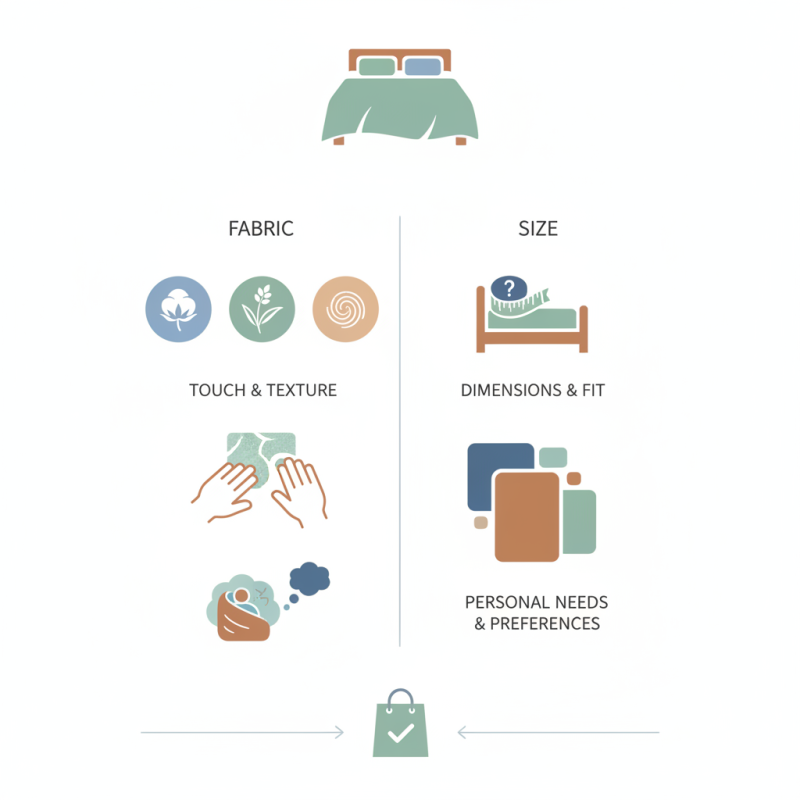
Fabric is crucial. Cotton, linen, or microfiber each offer distinct feels and durability. Some sheets may look appealing but feel uncomfortable. Therefore, touch and texture are essential in this decision. Take time to explore options in a store.
Size matters too. Standard sheets fit most beds, but some require special sizes. Misjudging dimensions can lead to wrinkled or inadequate coverage. Remember, not every single flat sheet is universal. Choosing well involves acknowledging personal needs and preferences. Reflect on what works for you.
Understanding the Importance of a Single Flat Sheet in Bedding
A single flat sheet is essential in bedding. It provides comfort and protection. The right sheet can enhance your sleep experience. It acts as a barrier between you and the blanket. With varying materials, selecting one can be challenging.
Cotton is soft and breathable, ideal for warm climates. On the other hand, linen offers a unique texture. It's durable yet becomes softer with each wash. Don’t overlook thread count. Higher numbers often mean better quality. However, it doesn’t guarantee comfort.
Consider dimensions carefully. A sheet that is too small won't stay in place. An oversized sheet can look messy. Color and design matter too. They should match your bedroom's aesthetic. Still, remember that every choice comes with its pros and cons. Each night, you might feel the textures and patterns. Reflect on what truly enhances your comfort.
Materials to Consider When Choosing a Single Flat Sheet
When selecting the right single flat sheet for your bedding, consider the materials used. The fabric's quality impacts your comfort and sleep experience. Cotton is popular. It offers breathability and softness. However, not all cotton is the same. Egyptian cotton is luxurious but might be expensive.
Linen is another option, known for its durability and unique texture. It can feel rough initially, but it softens after washing. This fabric absorbs moisture effectively, making it great for warmer climates. However, linen may require more care than cotton.
Here are some tips:
Choose a fabric based on your climate. In hot weather, lightweight materials like cotton or linen are best.
Check the thread count for cotton sheets. A higher number often means softer fabric. But larger numbers don’t always guarantee quality.
Consider your personal preferences. Do you like crisp sheets or softer ones? This can make a significant difference in how you sleep.
Deciding on the Right Size for Your Single Flat Sheet
Choosing the right size for your single flat sheet is essential. A flat sheet should hang over the sides of the mattress. This ensures comfort and adds style to your bedding.
Consider the dimensions of your mattress. Standard single beds typically measure 39 x 75 inches. However, some mattresses may vary. Don't assume all beds are the same size. Measure your mattress before purchasing a flat sheet.
Tips for selecting the right size: Always account for shrinkage after washing. Fabric may lose size, so consider this when buying. If you're unsure, opt for a slightly larger sheet. It’s better to have extra material than not enough.
Keep in mind how you like to sleep. Some prefer more coverage, while others like a snug fit. Think about your style, too. The right sheet can make your bed look inviting. Remember, not every choice will be perfect, and that’s okay. Experiment until you find what feels right for you.
Choosing Patterns and Colors to Match Your Bedding Decor
Choosing the right patterns and colors for your single flat sheet can transform your bedding decor. A solid color flat sheet can offer elegance and simplicity. Yet, floral or geometric patterns can add personality. Think about the overall theme of your bedroom. Is it cozy and rustic or modern and sleek? Your choice should reflect this.
When selecting colors, consider the existing palette. A neutral tone can blend well with colorful pillows and duvets. However, a bold color might create a striking focal point. Experiment with different combinations. Remember that mismatched styles can sometimes create an appealing contrast. Don’t shy away from mixing patterns, but be mindful of balance.
Try to visualize how the sheet fits into the whole room. It’s essential to feel right about your choices. Make sure the patterns and colors resonate with you. It’s okay if it doesn’t turn out perfect on the first try. Bedding decor is personal and can evolve over time. Embrace the journey of finding what truly makes your space feel like home.
Caring for Your Single Flat Sheet for Longevity and Comfort
Caring for your single flat sheet is essential for longevity and comfort. According to the National Sleep Foundation, the quality of your bedding significantly impacts sleep quality. Regular maintenance can extend the life of your flat sheet. Washing it weekly can prevent dust mites and allergens, which can accumulate over time.
Temperature settings matter. Always wash sheets in cold water to preserve fabric integrity. A study by the Textile Research Journal highlights that high temperatures can damage fibers, leading to a shorter lifespan. Using mild detergents can also help maintain softness. Avoid bleach, as it can weaken fabric strength.
Storing sheets properly is another crucial step. Some people tend to fold them haphazardly. This can create creases and wrinkles. Storing sheets in a cool, dry place can reduce mold risk. Moreover, rotating your sheets can help even out wear. Regularly inspecting for signs of wear, like fraying edges, is important, too. This proactive approach will ensure you enjoy your bedding for years to come.