Dentist Guide to Choosing the Best Orthodontic Adhesive System?
When selecting an Orthodontic Adhesive System, dentists face critical decisions. This choice can significantly impact treatment outcomes. According to a 2022 survey by the American Association of Orthodontists, nearly 70% of orthodontists reported challenges with adhesive failures. Such data highlights the importance of choosing the right system for patient care.
The range of available orthodontic adhesives continues to grow. Factors like bond strength, ease of use, and curing time affect their performance. The 2023 Dental Adhesives Market Report reveals that systems with stronger and quicker bonding can reduce chair time by up to 30%. However, dentists must weigh these benefits against potential risks and patient comfort, leading to frequent dilemmas.
Further complicating the decision, different cases demand varied adhesive properties. The ideal system for one patient may not suit another. As the field evolves, ongoing education is essential. Evaluating an Orthodontic Adhesive System requires both skill and reflection on past experiences. Selecting wisely not only improves results but also enhances patient satisfaction.
Understanding the Importance of Orthodontic Adhesive Systems in Dentistry
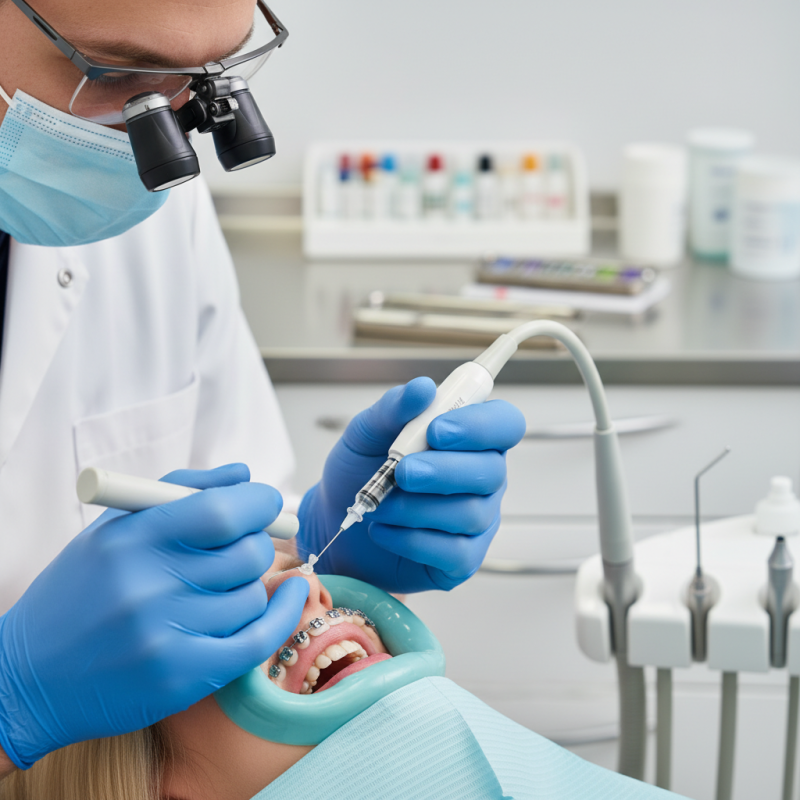
Orthodontic adhesive systems play a crucial role in modern dentistry. These systems bond brackets and appliances to teeth, ensuring effective treatment. A reliable adhesive provides strength and durability. It also withstands the challenges of daily wear and tear from chewing and cleaning. Dentists need to recognize the significance of using high-quality materials.
However, not every adhesive will work for every patient. Factors such as the patient's age, oral hygiene, and even lifestyle must be considered. Some adhesives can be difficult to manage. In certain cases, they may not adhere as expected. This can lead to issues during the treatment process. Dentists must be cautious in their selection.
The right orthodontic adhesive system can make a difference. It can enhance patient comfort and treatment efficiency. Yet, many professionals may overestimate the effectiveness of available options. Continuous learning and staying updated with advancements are essential. Dentists should regularly evaluate their adhesive choices based on specific patient needs.
Types of Orthodontic Adhesives: A Deep Dive into Options Available
Choosing the right orthodontic adhesive is crucial. Various types of adhesives are available, each with unique properties and applications. According to a 2022 industry report, light-cured adhesive systems account for nearly 60% of the market due to their quick setting times and favorable bond strength. These adhesives usually require a curing light for activation. However, they can compromise the bond if not set properly.
Self-etching adhesives are another option. They simplify the bonding process by combining etching and priming. An interesting statistic shows that they reduce bonding time by up to 30%. However, some studies indicate they may have lower shear bond strength compared to traditional methods. Careful selection is essential here.
Resin-modified glass ionomer adhesives also deserve attention. They release fluoride, which helps prevent caries. They are less ideal for aesthetic brackets because of their color. An estimated 25% of orthodontists report using them due to their preventive qualities despite the trade-off in aesthetics. Every option has pros and cons; it’s vital to evaluate these factors to find the best choice for specific cases.
Dentist Guide to Choosing the Best Orthodontic Adhesive System
| Type of Adhesive | Composition | Setting Time | Strength | Ease of Application | Removal |
| Light-Cured Adhesive | Resin-based | 1-2 minutes | High | Moderate | Difficult |
| Chemical-Cured Adhesive | Methacrylate | 5-8 minutes | Moderate | Easy | Moderate |
| Universal Adhesive | Dual-cure | 2-4 minutes | Very High | Moderate | Easy |
Factors Influencing Adhesive Selection: Bond Strength and Composition
Selecting the right orthodontic adhesive system is crucial for successful treatments. Bond strength is a primary factor to consider. Strong bonds can withstand the forces applied to orthodontic appliances. Poor bond strength may lead to debonding, risking treatment delays. Some adhesives excel in initial bond strength but may weaken over time. This puts pressure on the orthodontist to choose wisely.
Another essential aspect is the composition of the adhesive. Some adhesives contain specialized components, enhancing their performance. However, the choice of materials may also cause sensitivities in some patients. Researching potential allergens in adhesive formulations can save you time and mitigate risks. Sometimes, the most innovative adhesives come with problematic side effects.
The clinical environment further complicates adhesive choice. Humidity levels, temperature, and preparation of the tooth surface can all impact bonding efficacy. Many practitioners face challenges with environmental factors. It can be frustrating when an optimal adhesive fails due to less-than-ideal conditions. Continuous evaluation of outcomes is key to refining adhesive selection.
Clinical Data: Success Rates and Longevity of Different Adhesive Systems
When selecting an orthodontic adhesive system, clinical data is crucial. Different systems offer varied success rates. Some have proven longevity, while others may falter over time. Research shows that certain adhesive types bond better under pressure. Longevity can also depend on patient care practices after placement.
Success rates vary widely. Systems with poor adhesion might lead to bracket failures. This not only affects treatment duration but also patient satisfaction. Sometimes, practitioners overlook patient-specific factors. For instance, saliva flow can influence adhesive performance. Ignoring these elements can lead to suboptimal outcomes.
Testing and evaluating different systems is essential. Some adhesives may work best for specific cases. The choice might be influenced by factors like tooth condition and alignment needs. Practitioners need to reflect on these variations. It is necessary to continuously adapt and improve selection criteria for better results.
Best Practices for Application and Removal of Orthodontic Adhesives
When selecting an orthodontic adhesive, application technique is crucial. Studies show that improper adhesion can lead to bond failures. For example, research indicates that up to 30% of bonding issues arise from inadequate surface preparation. Ensure the enamel is clean and dry before applying any adhesive. This step can significantly improve the bond's durability.
Removal practices are equally important. If not done correctly, harmful residue may remain. A study from the American Journal of Orthodontics reported that 25% of orthodontic patients experience adverse effects from leftover adhesive. Using a safe and effective removal technique is essential. Explore ultrasonic instruments for residue removal as they reduce enamel damage.
Consider the influence of environmental conditions during application. Humidity and temperature affect adhesive performance. Inconsistent conditions can lead to uncertain bonding strength. For instance, a dry environment tends to enhance bond integrity, whereas high humidity can compromise it. Awareness of these factors can prevent costly mistakes in orthodontic practices.