What Is DL-Methionine Benefits Uses and Side Effects?
DL-Methionine is an essential amino acid with numerous benefits. It plays a crucial role in protein synthesis. This compound is unique because it contains sulfur, which is vital for various bodily functions.
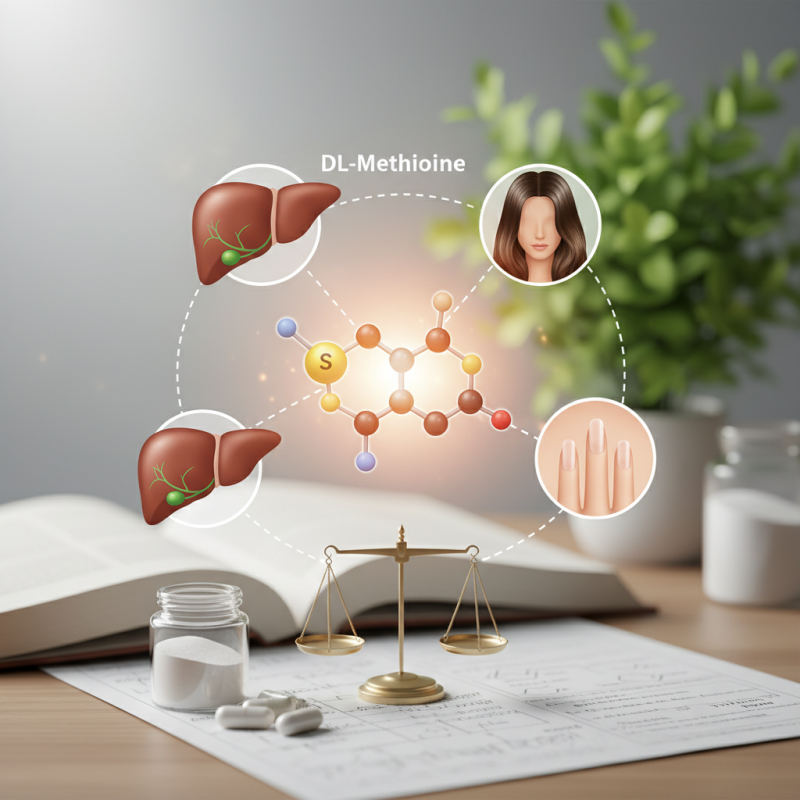
According to the Journal of Nutrition, DL-Methionine can enhance liver health and detoxification. It also supports healthy hair, skin, and nails. Studies show that individuals with higher methionine levels report better energy and mood. However, excessive intake may lead to side effects, such as increased homocysteine levels.
Aware of the benefits, many supplements now include DL-Methionine. This raises questions about dosing and safety. Ensuring the right balance is essential. More research is needed to fully understand its long-term effects on health.
What Is DL-Methionine?
DL-Methionine is an essential amino acid. It’s crucial for many bodily functions. This compound is important for protein synthesis. It also plays a role in detoxification processes. Many people may not fully understand its significance.
In the body, DL-Methionine helps produce other amino acids. It aids in the creation of cysteine and taurine. This amino acid also contributes to the production of SAMe, which is vital for mood regulation. While the benefits are clear, some individuals may not consider proper dosage. Excess intake can lead to adverse effects. It's always a good idea to consult a healthcare provider.
Some may use DL-Methionine as a supplement. They seek benefits like improved mood and liver support. However, the quality of supplements can vary. Users should research sources carefully. Mistakes happen, and using low-quality products can lead to disappointment. Understanding what DL-Methionine is and its applications is essential for making informed choices.
Health Benefits of DL-Methionine
DL-Methionine is an essential amino acid with notable health benefits. It plays a crucial role in protein synthesis and helps maintain overall well-being. A study published in the "American Journal of Clinical Nutrition" highlighted that methionine may improve metabolic functions, which can be vital for weight management. Additionally, it has antioxidant properties that may reduce oxidative stress and inflammation in the body.
One key benefit is its support for liver health. DL-Methionine aids in detoxification processes, helping to eliminate harmful substances. Reports estimate that individuals with liver issues may see improvements in function with methionine supplementation. Furthermore, it may enhance the production of neurotransmitters, positively affecting mood and cognitive function.
Tips: Be mindful of dosage. High intake can lead to side effects, such as gastrointestinal discomfort or increased homocysteine levels. It is important to consult a healthcare professional before beginning any supplementation. Always prioritize whole foods in your diet, rich in sulfide-containing amino acids, to naturally meet your body’s needs.
Common Uses of DL-Methionine in Nutrition
DL-Methionine is an essential amino acid that plays a vital role in nutrition. It aids in protein synthesis and supports healthy metabolic processes. People often seek out DL-Methionine to bolster their diets, especially when recovering from illness or intense exercise.
In nutrition, DL-Methionine is commonly used to enhance liver function. It helps detoxify harmful substances in the body. This amino acid is also known for its potential to support muscle health. Many athletes include it in their regimen. However, the right dosage is crucial. Overconsumption may lead to imbalance and unwanted side effects.
Some may find it beneficial for improving hair and skin health. Including DL-Methionine in meals can enhance the growth and strength of hair. However, not everyone experiences these benefits equally. Individual responses vary widely. This prompts reflection on personal health and dietary needs. Balancing intake is key to harnessing its benefits effectively.
Potential Side Effects of DL-Methionine
DL-Methionine is known for its potential health benefits. However, like any supplement, it comes with possible side effects. One significant concern is its impact on the body’s balance of amino acids. High doses can lead to imbalances, which might result in negative health outcomes.
Some individuals report gastrointestinal issues. Nausea, diarrhea, and stomach pain are common complaints. Research indicates that these symptoms can be exacerbated when taken in large quantities. It's crucial to monitor your body's response when starting any new supplement.
Tips: Start with a low dose to see how your body reacts. Consider consulting a healthcare professional before adding DL-Methionine to your routine. Not everyone reacts the same way to supplements.
In rare cases, allergic reactions may occur. These can manifest as skin rashes or breathing difficulties. If you experience any severe side effects, discontinue use immediately. Always prioritize your health and be cautious with new supplements. Remember, it’s important to weigh the benefits against potential risks.
What Is DL-Methionine Benefits Uses and Side Effects?
| Aspect | Details |
| What is DL-Methionine? | An essential amino acid involved in metabolism and detoxification. |
| Health Benefits | Supports liver function, promotes detoxification, and helps in the synthesis of proteins. |
| Common Uses | Used as a dietary supplement, in veterinary medicine, and for improving metabolic health. |
| Potential Side Effects | Nausea, headache, digestive upset, or allergic reactions in some individuals. |
| Safety and Precautions | Generally safe when taken as directed; consult a healthcare provider for long-term use. |
Dosage and Safety Guidelines for DL-Methionine
DL-Methionine is an amino acid that contributes to various body functions. It plays a crucial role in protein synthesis and the production of antioxidants. Understanding the proper dosage and safety guidelines for DL-Methionine is essential for maximizing its benefits while minimizing risks.
The recommended dosage typically ranges from 500 mg to 1,500 mg daily for adults. Individual needs can vary, so consulting a healthcare professional is advised. A 2022 study published in the Journal of Nutritional Biochemistry highlighted that excessive intake could lead to gastrointestinal issues and increased homocysteine levels, posing cardiovascular risks. Monitoring your intake is vital, especially if you have pre-existing conditions.
Side effects can include nausea, fatigue, and allergic reactions. While many tolerate DL-Methionine well, some individuals may experience adverse reactions. The variability in individual responses suggests ongoing need for research. Further investigations could clarify the long-term effects of supplementation. Always consider the balance between benefits and potential risks before using DL-Methionine.