Top 5 DNA Purification Tips for Effective Results?
Dna Purification is a critical step in various biological research and diagnostic processes. By obtaining high-quality DNA, researchers can ensure the accuracy of their results. Yet, the journey to effective DNA purification can be fraught with challenges. Many variables impact the purity and yield of DNA, making established techniques essential for success.
Understanding the nuances involved in DNA purification is imperative. Proper sample handling, reagent selection, and method optimization pave the way to obtain clean, intact DNA. Many novice users may overlook detail-oriented steps, leading to suboptimal results. For example, proper centrifuge settings are often misapplied, adversely affecting the yield.
In this guide, we will explore the top five tips for effective DNA purification. Each tip stems from a blend of practical experience and scientific knowledge. These insights aim to empower researchers, both seasoned and new, to refine their DNA purification techniques. Quality DNA leads to reliable outcomes, ultimately advancing scientific discovery.
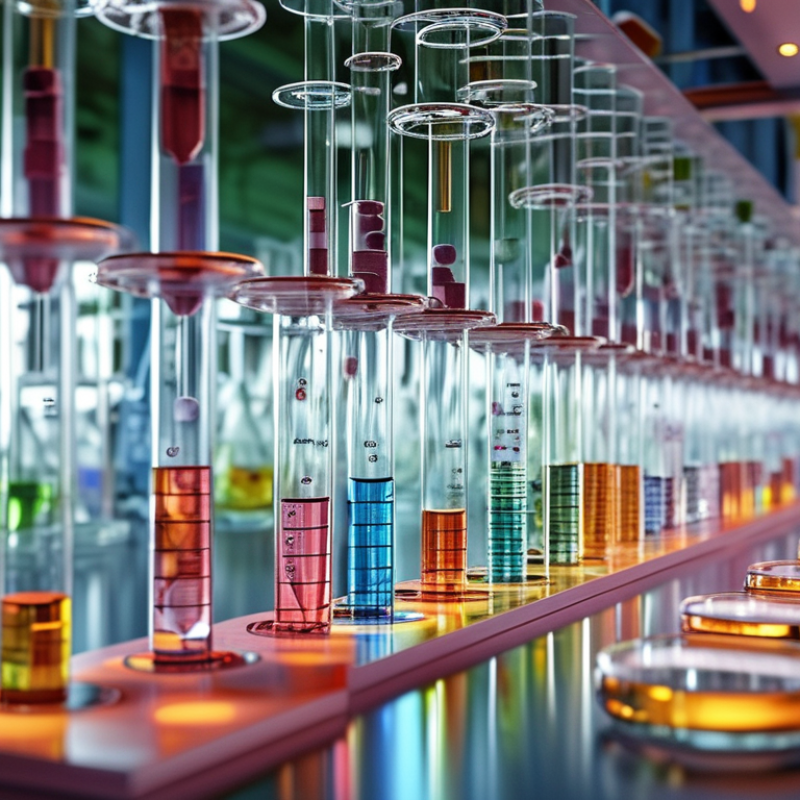
Essential Preparations Before DNA Purification Process
Preparing for DNA purification is crucial for obtaining effective results. A well-organized setup ensures smooth processing. Start by gathering all necessary materials. This includes centrifuge tubes, buffers, and extraction kits. Having everything at hand prevents interruptions during the experiment.
Before beginning the purification, familiarize yourself with the protocol. Understanding each step reduces the likelihood of errors. Some methods require precise timings. A simple mistake can lead to poor DNA yield. Always double-check your reagents. Expired or improperly stored chemicals can compromise your results.
Make it a habit to maintain a clean workspace. Cross-contamination can be detrimental to your samples. Regularly sanitize surfaces and use disposable tips. Minimize movement to avoid introducing contaminants. Inconsistent practices may lead to varying quality in your extracted DNA. Reflect on your methods for continuous improvement, even if results seem acceptable.
Choosing the Right Kit or Method for DNA Extraction
When it comes to DNA extraction, selecting the right kit or method is crucial. Each type of kit has unique efficiencies and can impact your results. Different materials can yield varying amounts of DNA. Some methods may be quicker, while others provide greater purity. Understanding these differences ensures more effective outcomes in your experiments.
It's important to consider the source of your DNA. Plant, animal, or microbial DNA requires different approaches. For example, plant tissues may contain secondary metabolites that complicate purification. A method designed for animal samples may not work well for plants. Testing multiple methods can reveal which one produces the best results for your specific needs.
Reflection on past experiences is key. If a method didn’t work well, revisit the steps. Analyzing potential errors can improve future attempts. Sometimes it’s the smallest details, like sample handling or reagent quality, that lead to setbacks. Keep adjusting your approach until you achieve the results you need.
Optimizing Sample Handling and Storage Conditions
Effective DNA purification relies heavily on sample handling and storage conditions. The American Society for Microbiology suggests that maintaining consistent temperatures during storage is crucial. A temperature fluctuation can cause DNA degradation, leading to unreliable results. Samples should be stored at -20°C or lower to ensure integrity.
Avoiding contamination is vital. Use sterile equipment and reagents to manage samples effectively. Even minor contamination can produce false results. Clean your workspace regularly, and always follow proper aseptic techniques. Failure to do so can compromise your entire experiment.
When preparing samples, consider their source and type. Tissue samples, for instance, should be processed quickly. Delays in processing can reduce DNA yield by up to 50%, according to recent studies. Remember, optimizing sample handling will enhance your results significantly. Always assess your methods and be open to adjustments for improvement.
Maintaining Cleanliness to Avoid Contamination
When it comes to DNA purification, cleanliness is paramount. Contamination can ruin your samples and lead to unreliable results. One crucial tip is to work in a sterile environment. Regular cleaning before and after your experiments can greatly minimize the risk of contamination. Use disinfectants and appropriate cleaning supplies to ensure surfaces are free from unwanted materials.
Another essential practice is to use filtered pipette tips and tubes to help reduce the possibility of introducing contaminants into your samples. Even small particles can affect your results. It’s vital to handle all equipment with care. Consider changing your gloves frequently. Every time you open a new container or start a new task, it’s best to put on a fresh pair. This simple act can be a game changer in maintaining sample integrity.
Furthermore, be mindful of your own presence in the workspace. Avoid leaning over open containers. This may inadvertently introduce contamination. Also, keep the workspace organized. Clutter can lead to accidental spills or mix-ups, compromising your work. Establishing a routine can help ensure your DNA purification process runs smoothly and stays clean.
Troubleshooting Common Issues in DNA Purification
Troubleshooting common issues in DNA purification is essential for achieving reliable results. One frequent problem is sample contamination. Contamination can arise from multiple sources, including reagents and handling tools. To mitigate this, invest in high-quality reagents and maintain a clean workspace. According to a study by the Journal of Molecular Biology, nearly 30% of contamination issues stem from improper handling techniques. Simple actions like using dedicated pipette tips can significantly reduce this risk.
Another significant issue is inefficient lysis of cells. If cells are not adequately lysed, it hinders DNA extraction. Employment of an optimal lysis buffer temperature can solve this problem. Reports show that lysis buffers at 65°C enhance DNA yield by up to 40%. Additionally, mechanical disruption methods, like bead beating, should not be overlooked. A study indicated that using bead beating increases lysis efficiency, leading to higher DNA quality.
Lastly, consider the purification steps after lysis. Inadequate purification can result in low-quality DNA. Incorporating column-based methods often yields better purity levels. Data indicates that column methods can provide up to 95% DNA recovery. However, recognizing when to switch techniques is vital. Reflecting on your own work can help determine whether you need to adjust your approach.