
Contact Us

Phone
08 8294 8664

Email
sale@awdmedical.com

Address

How Much Does a TMS Machine Cost in 2026?

How much does a TMS machine cost in 2026? The answer depends on more than the equipment label. A clinic may pay for the stimulator, treatment chair, cooling system, software, delivery, installation, staff training, and ongoing maintenance. New systems often range from approximately $70,000 to $150,000 or more, while refurbished equipment may cost considerably less. Premium systems with neuronavigation or specialized protocols can exceed these figures.

Industry data shows why demand continues to influence pricing. Fortune Business Insights estimated the global transcranial magnetic stimulator market at about $1.31 billion in 2023. Its report projects the market could reach approximately $3.02 billion by 2032, supported by expanding clinical applications and device development. Grand View Research also reports strong market growth during the current decade. These figures describe market activity, not a guaranteed purchase price.

The real expense is broader.

A machine listed at $90,000 may require thousands more for shipping, room preparation, warranty coverage, and service contracts. Some suppliers include installation. Others charge separately. That difference can quietly change the first-year budget. Buyers should also verify regulatory clearance, training requirements, treatment software, and local support before comparing quotations. Pricing information is not always transparent, and some online estimates appear overly optimistic. This guide examines Tms Machine Cost in 2026 through equipment type, ownership expenses, financing, and clinical operating needs. The goal is a practical estimate, not a sales promise.
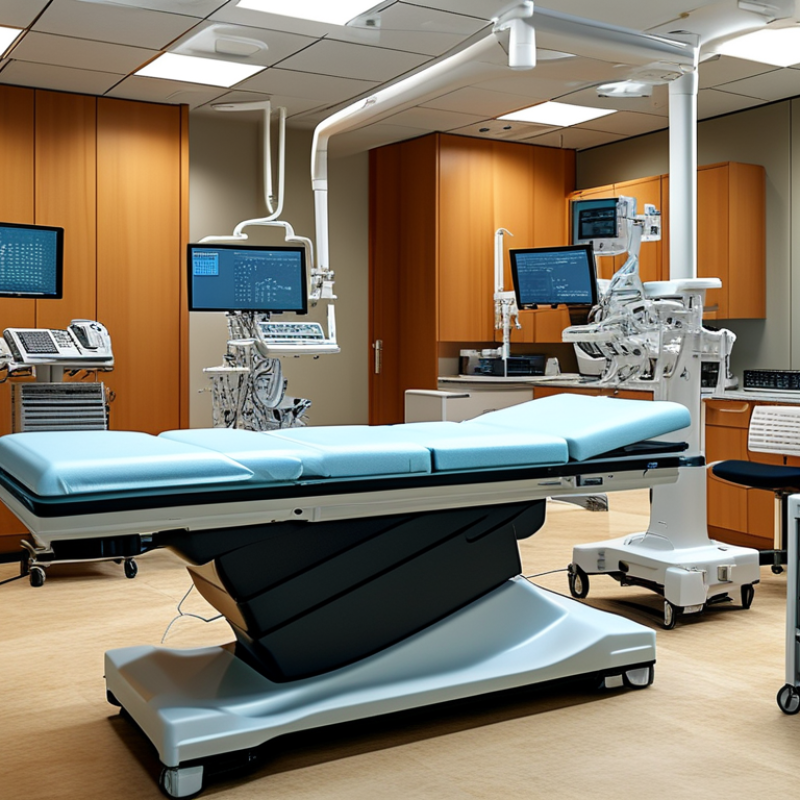
How Much Does a TMS Machine Cost in 2026?

Define TMS Machine Types and FDA-Cleared Treatment Configurations

A TMS machine is not one uniform product. In 2026, buyers may compare standard repetitive TMS, intermittent theta-burst stimulation, and deeper coil configurations. Each option uses different pulse patterns, coil geometry, treatment time, and positioning requirements. The FDA 510(k) database shows that clearance applies to specific device indications and protocols, not to TMS as a whole.

For major depressive disorder, cleared configurations can include conventional rTMS and shorter theta-burst schedules. Some systems also have clearance for obsessive-compulsive disorder, migraine with aura, or smoking cessation. These indications are not interchangeable. A clinic should verify the exact clearance, patient population, and treatment parameters before purchase. Grand View Research reported continued double-digit growth in the global TMS market, while Fortune Business Insights projected strong expansion through 2032. Market growth does not guarantee equal clinical value. That distinction is easy to miss.

Tips: Estimate more than the machine price. Industry purchasing estimates often place capital costs near $30,000 to $150,000, depending on configuration, navigation, cooling, and service coverage. Add room preparation, staff training, maintenance, and reimbursement delays. Ask for the FDA clearance number and predicate device. Check whether the quoted price includes installation and software updates. A cheaper system may become expensive when accessories and downtime appear. I would also compare treatment duration, because a shorter protocol can improve scheduling, but not every patient or indication fits it.

Compare 2026 TMS Equipment Prices: $30,000–$150,000 per System

How Much Does a TMS Machine Cost in 2026?

Compare 2026 TMS Equipment Prices: $30,000–$150,000 per System

In 2026, a TMS machine usually costs between $30,000 and $150,000 per system. Lower-priced systems may offer essential stimulation functions for smaller clinics. Higher-priced systems often include advanced treatment protocols, integrated cooling, software controls, and broader clinical flexibility. The machine itself is only part of the budget. Delivery, installation, staff training, maintenance, and room preparation can add several thousand dollars.

A careful purchasing review should examine the treatment coil, pulse settings, safety controls, warranty length, and service response time. A system priced at $45,000 may become less affordable if replacement parts are expensive or technical support is limited. Refurbished equipment can reduce the upfront cost, but its operating history needs close inspection. Ask for service records, calibration details, and a clear warranty.

The estimate is imperfect. Pricing changes by configuration and supplier region. A clinic should also consider patient volume and treatment schedules. For example, a busy practice may need durable components and faster support. A smaller office may prefer a simpler system with lower operating costs. Do not compare sticker prices alone. Compare the complete ownership cost over five years, including software fees, repairs, training, and downtime. Small omissions can distort the budget.

How Much Does a TMS Machine Cost in 2026? — Compare 2026 TMS Equipment Prices: $30,000–$150,000 per System
System Configuration Typical 2026 Equipment Price What Is Generally Included Typical Treatment Capability Best Fit Potential Additional Costs
Entry-Level Repetitive TMS System $30,000–$50,000 Magnetic stimulator, standard treatment coil, treatment chair or positioning support, basic controls, and essential safety accessories Standard repetitive TMS protocols with manual or semi-assisted coil positioning Small practices, outpatient mental-health clinics, and facilities starting a TMS service Installation, staff training, electrical preparation, maintenance coverage, and replacement accessories
Standard Clinical TMS System $50,000–$85,000 Stimulator, treatment coil, adjustable patient chair, positioning arm, treatment software, emergency stop controls, and routine accessories Common depression-treatment protocols and broader clinical scheduling workflows Established psychiatric or neurology practices with regular patient volume Service contract, software upgrades, calibration, delivery, installation, and optional patient-management integration
Advanced Figure-of-Eight TMS System $75,000–$110,000 Higher-output stimulator, advanced figure-of-eight coil, precision positioning hardware, protocol library, and expanded monitoring features More flexible protocol selection, improved targeting support, and higher-throughput clinical use Multidisciplinary clinics and centers treating a larger patient population Specialized coils, extended warranty, preventive maintenance, staff certification, and room modifications
Neuronavigation-Enabled TMS System $100,000–$150,000 Advanced stimulator and coil, optical or electromagnetic tracking, navigation software, imaging-data integration, and precision patient positioning Image-guided targeting, research-grade reproducibility, and advanced clinical protocols Hospitals, academic centers, research programs, and high-volume specialty clinics Navigation-camera setup, imaging compatibility, software licensing, calibration, technical support, and staff training
Refurbished Clinical TMS System $35,000–$80,000 Previously used stimulator and coil, inspected components, basic installation, and limited warranty depending on the seller Often suitable for standard repetitive TMS when output stability and service history are verified Budget-conscious practices and clinics with experienced biomedical or technical support Freight, refurbishment, calibration, unavailable parts, shorter warranty, and possible software limitations
Mobile or Multi-Room TMS Setup $80,000–$150,000+ Clinical TMS system with transport or multi-room workflow equipment, additional coils or positioning components, and expanded scheduling support Shared use across treatment rooms or locations, subject to equipment specifications and safety requirements Large outpatient networks, hospitals, and practices operating multiple treatment rooms Transport cases, duplicate accessories, room preparation, logistics, additional service coverage, and local compliance requirements
Pricing notes: The ranges represent typical equipment-only market estimates for 2026 and can vary by configuration, output specifications, coil type, navigation capability, warranty, country, taxes, shipping, installation, and negotiated terms. A complete TMS room may require an additional budget for electrical work, shielding or room preparation where applicable, patient furniture, staff training, maintenance, calibration, software, and regulatory compliance.

Calculate Installation, Maintenance, Staffing, and Facility Expenses

How Much Does a TMS Machine Cost in 2026?

In 2026, a TMS machine may cost roughly $40,000 to $120,000, depending on specifications, software, and included accessories. This is only the purchase price. Delivery, room preparation, and professional installation can add $3,000 to $15,000. An electrical inspection may also be necessary, especially in older medical buildings. Do not treat installation as a minor line item.

Maintenance commonly requires 5% to 10% of the equipment price each year. A service contract may cover calibration, troubleshooting, replacement parts, and response times. Clinics should also budget for software updates and occasional coil replacement. These costs are easy to underestimate. A written maintenance schedule, signed by qualified technical personnel, improves reliability and supports safer clinical operations.

Staffing can exceed equipment costs over time. Each treatment requires a trained clinician, patient screening, session monitoring, and documentation. A small facility may need one operator and part-time administrative support. Larger clinics may require additional coverage during peak hours. Facility expenses include rent, sound control, patient seating, accessibility upgrades, insurance, and cleaning. A realistic first-year budget often reaches $90,000 to $180,000 after adding these items. My early estimates were too optimistic because I ignored vacant appointment time. Clinics should model cancellations, training hours, and slower opening months before approving the purchase.

Estimate Treatment Revenue Using CPT 90867–90869 Billing Data

How Much Does a TMS Machine Cost in 2026?

Estimate Treatment Revenue Using CPT 90867–90869 Billing Data

A TMS machine may cost tens of thousands of dollars in 2026. However, equipment price alone does not show its financial value. A stronger estimate begins with expected treatment volume and payer-specific allowed amounts for CPT 90867, 90868, and 90869.

CPT 90867 generally covers the initial motor-threshold determination and first treatment. CPT 90868 usually represents later treatment sessions. CPT 90869 may apply when motor-threshold testing is repeated during treatment. For example, assume allowed amounts of $250, $150, and $180. One patient receiving 90867 once, 90868 twenty-eight times, and 90869 once would generate about $4,630 in allowed revenue. This is only an illustration. Actual reimbursement varies by payer, region, authorization rules, and contract terms.

Use allowed amounts, not posted charges. Then multiply the estimate by realistic monthly patient capacity. A clinic treating 20 patients monthly might model 600 sessions annually, but cancellations can reduce that number sharply. Track completed sessions, denial rates, staff time, room use, and payment delays. Revenue is not profit.

A first-pass spreadsheet often looks too optimistic. It may ignore retesting, maintenance, training, and slower referral periods. Review claims data every quarter. Compare billed, allowed, and collected amounts separately. Leave room for uncertainty. Conservative planning is less exciting, but more reliable.

How Much Does a TMS Machine Cost in 2026?

Estimated treatment revenue using CPT 90867–90869 billing patterns

Model assumptions: A modeled 36-session course includes one initial TMS treatment planning and delivery service, 34 subsequent treatment sessions, and one motor-threshold re-determination service. The chart uses editable planning benchmarks of $220 for CPT 90867, $170 for CPT 90868, and $190 for CPT 90869. Estimated gross billings are calculated before denials, patient responsibility, staffing, rent, maintenance, supplies, and payer-specific adjustments. Actual 2026 reimbursement depends on Medicare locality, commercial payer contracts, and facility billing rules.

Model Five-Year TMS Ownership Costs, ROI, and Break-Even Time

A five-year TMS budget should include more than the machine invoice. A practical planning range is $70,000–$120,000 for equipment, installation, training, and initial setup. Add $6,000–$15,000 yearly for service, calibration, software, and room expenses. CMS Medicare Physician Fee Schedule data also show that TMS reimbursement varies by procedure, setting, and locality. Therefore, one national revenue figure can mislead.

Consider a cautious model. Suppose a clinic collects $200 per treatment, completes 20 treatments weekly, and operates 46 weeks annually. Gross treatment revenue reaches about $184,000 per year. After staffing, supplies, payment processing, maintenance, and scheduling overhead, the contribution margin may fall near $70,000. A $100,000 startup investment could break even in roughly 17–24 months. This estimate is not a promise. Referral delays, cancellations, and incomplete treatment courses can change the result sharply. My model is intentionally simple, and possibly optimistic.

Tips: Track collected revenue, not posted charges. Request three service quotes. Reserve 10% for unexpected repairs. Compare your assumptions with CMS payment data and audited clinic statements. Grand View Research’s 2024 market report supports continued TMS market expansion, but market growth does not guarantee local demand. A small clinic may need several months to fill capacity. Test the numbers with 10, 15, and 20 weekly treatments before signing a lease.