What is Used EEG Equipment and How to Buy It?
In recent years, the demand for used EEG equipment has surged significantly. A report by Market Research Future estimates the global EEG market will reach $1.1 billion by 2025, with a substantial portion attributed to pre-owned devices. These equipment pieces provide cost-effective solutions for clinics, hospitals, and research institutions, enabling them to deliver quality care without breaking the bank.
However, buying used EEG equipment presents unique challenges. Potential buyers must consider factors like the device's age, maintenance history, and compatibility with existing systems. Many professionals in the field stress the importance of thorough inspections. Reports show that 30% of used medical equipment fails quality checks, underscoring the need for vigilance in the purchasing process.
As the market evolves, understanding best practices is critical for making informed decisions. Buyers should seek reputable suppliers and verify certifications. Connecting with industry experts can provide invaluable insights and help mitigate risks. While the prospects of acquiring used EEG equipment are enticing, the journey demands careful planning and consideration.
What is Used EEG Equipment and Its Benefits?
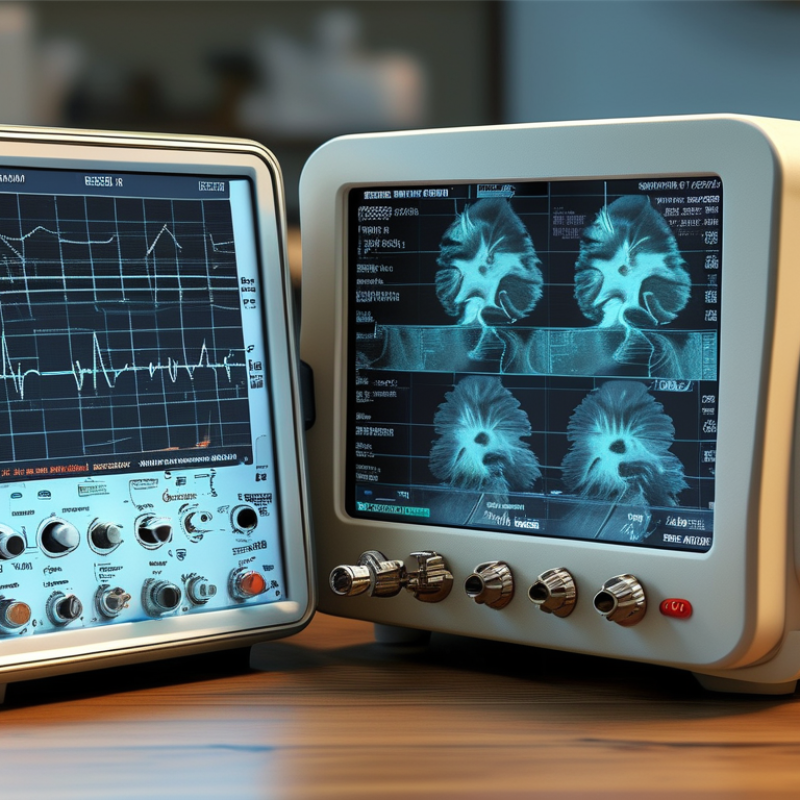
Used EEG equipment can offer significant benefits in various fields, including neuroscience and healthcare. These devices measure brain activity and provide valuable insights. By acquiring used EEG machines, facilities can save costs while still accessing reliable technology. This approach makes advanced brain monitoring more accessible for research and clinical settings.
One important benefit is the ability to perform real-time monitoring. Monitoring brain activity can help in diagnosing conditions like epilepsy or sleep disorders. Used equipment can have the same functionalities as new gear, enhancing research without breaking the bank. Sometimes, older models even provide a simpler interface that is easier to use.
**Tip:** When considering used EEG equipment, always review its maintenance history. Ensure that it has been serviced regularly by qualified professionals. Ask about warranties or returns, as this adds a layer of security to your investment. Finding reliable sources to purchase used equipment is vital.
**Tip:** Familiarize yourself with the calibration process for used equipment. Proper calibration ensures accurate readings and reliable data. Take the time to test the machine before making a purchase. You want to ensure it's in good working condition; otherwise, you might face unforeseen costs.
Investing in used EEG technology can be a smart choice. However, careful consideration is necessary to make the right decision.
What is Used EEG Equipment and Its Benefits?
| Dimension |
Description |
Benefits |
| Price Range |
$1,000 - $10,000 |
Cost-effective solution compared to new equipment. |
| Equipment Condition |
Refurbished, certified pre-owned, or used. |
Reliable performance with proper certification. |
| Warranty |
Limited warranty of 6-12 months offered. |
Peace of mind with warranty coverage. |
| Usage |
Research, clinical diagnostics, educational purposes. |
Versatile applications across multiple fields. |
| Technical Support |
Availability of customer service and technical support. |
Assurance of help when needed for equipment issues. |
| Accessories |
Includes electrodes, amplifiers, software. |
Complete setup for immediate use and efficiency. |
Factors to Consider When Buying Used EEG Equipment
When considering the purchase of used EEG equipment, several critical factors must be taken into account. The first aspect is the condition of the equipment. A comprehensive inspection is essential. Look for signs of wear, frayed wires, or damaged components. According to a report from the International Society for Neurofeedback and Research, roughly 15% of older EEG machines have operational inconsistencies, which can affect diagnostic accuracy.
Next, consider the technology's compatibility with current standards. As research evolves, so do the protocols and software used for EEG analysis. Outdated equipment may not support the latest advancements in data interpretation. Industry surveys suggest that nearly 30% of facilities struggle with integrating new protocols due to legacy systems. Standardization and software updates can be a greater challenge with older machines.
Lastly, always check the available warranty and support options. Used equipment may lack extended warranties. Additionally, ensure that the previous owner has maintained it properly. A report by MedTech Insights noted that 40% of purchasing errors stem from inadequate post-purchase support. Understanding these elements can greatly enhance the effectiveness of your investment in used EEG technology.
How to Source Reliable Suppliers for Used EEG Equipment
When sourcing reliable suppliers for used EEG equipment, clarity and trust are paramount. It is essential to assess the credibility of potential vendors. Research their background within the EEG industry. According to a recent market report, approximately 30% of suppliers lack transparency in their operations. This underscores the need for diligence.
Consider reviews and testimonials from other institutions. A 2022 survey indicated that 65% of hospitals prefer suppliers with a solid track record. Direct communication can also reveal a supplier's expertise. Ask specific questions about their equipment sourcing and refurbishment processes. Gathering insights from previous clients can highlight their reliability.
Additionally, prioritize suppliers who comply with industry standards. Those who follow policies set by recognized organizations ensure better quality. Studies show that equipment meeting regulatory guidelines has a 40% lower rate of malfunction. Lastly, take into account warranty offerings and after-sales support. This adds an extra layer of security when investing in used EEG equipment.
Testing and Inspection Process for Used EEG Devices
When purchasing used EEG equipment, thorough testing and inspection are essential. The performance of EEG devices can significantly affect diagnostic outcomes. A report from the International Society for Neurofeedback and Research indicates that malfunctioning devices can lead to inaccurate readings in up to 30% of cases. This statistic underscores the need for rigorous checks.
A comprehensive inspection should include both hardware and software evaluations. Technicians must verify electrode integrity and ensure signal clarity. Visual and functional tests help assess device condition. Proper calibration is also critical; an ill-calibrated device may skew results. According to the Journal of Clinical Neurophysiology, regularly serviced devices maintain a 15% higher efficacy than those that are not. This data highlights how well-maintained equipment translates into better patient care.
Potential buyers should demand detailed reports of inspections and testing performed on the EEG equipment. A lack of documentation can signal risk. Each step, from review to acquisition, should reflect best practices. Collecting insights on past performance enhances decision-making. Ultimately, the goal is to ensure the safety and reliability of used EEG equipment for effective clinical use.
Budgeting for Your Purchase of Used EEG Equipment
Budgeting for used EEG equipment involves careful consideration. The average cost of a new EEG system can range from $10,000 to $100,000, depending on features. Used equipment can significantly reduce costs, often falling between 30-70% of the original price. Research suggests that many facilities have benefited from this approach, allowing them to allocate funds to other critical areas.
When purchasing, it's essential to assess the condition of the equipment. Look for devices with a proven record. Request maintenance logs and calibration records. Additionally, consider the expected lifespan of used EEG units. Many can continue providing accurate results for years if well-maintained. Equipment older than five years may still be functional but could lack the latest technology.
Be aware of potential hidden costs. This includes shipping fees, setup expenses, and training for staff. On average, these additional costs can add up to 15% of the equipment's price. Evaluate the total financial commitment before proceeding. The goal is to make an informed decision that aligns with your budget and operational needs.
Budgeting for Used EEG Equipment
This bar chart illustrates the average prices of different types of used EEG equipment. It provides a visual representation of budgeting considerations when purchasing used EEG devices.